

GC Illustration.
Words: Victor Goh
Every November, the watch world holds its breath for the Grand Prix d'Horlogerie de Genève, the closest thing horology has to the Oscars, minus the acceptance speeches and plus the sharp-dressed tuxes. For 2026, Chopard has walked in with six nominations spanning fine watchmaking, high jewellery, and mechanical objets d'art, the kind of range most manufactures only dream about matching in a single year.
We are narrowing our focus to the three nominees that matter most to the men who read this publication. Not because the other three lack merit, but because they belong to a different conversation, one built around gemsetting and secret dials rather than the case-and-calibre debates this piece is here for. Consider this your shortlist within the shortlist, starting with the one that deserves top billing.
The L.U.C Grand Strike
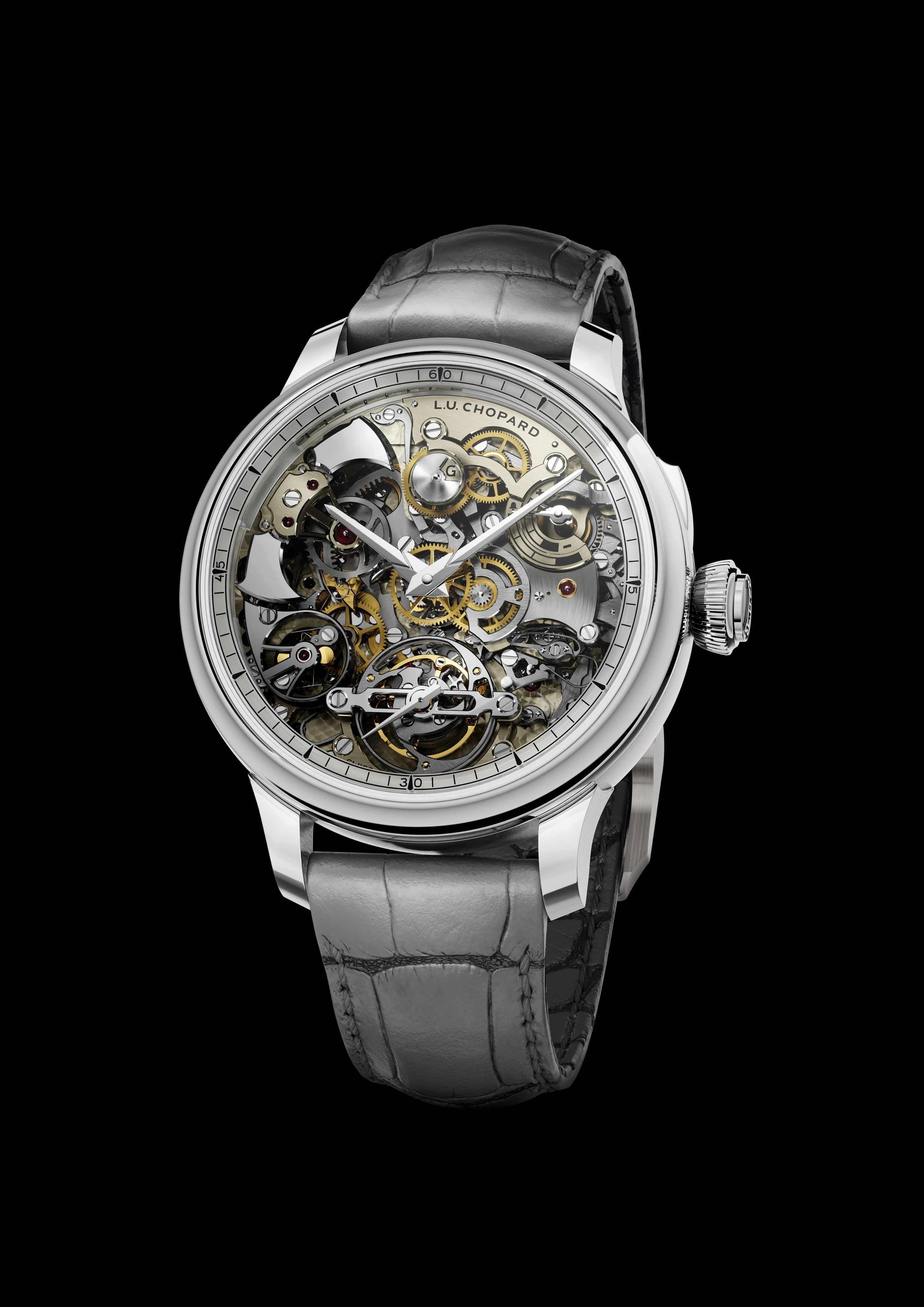
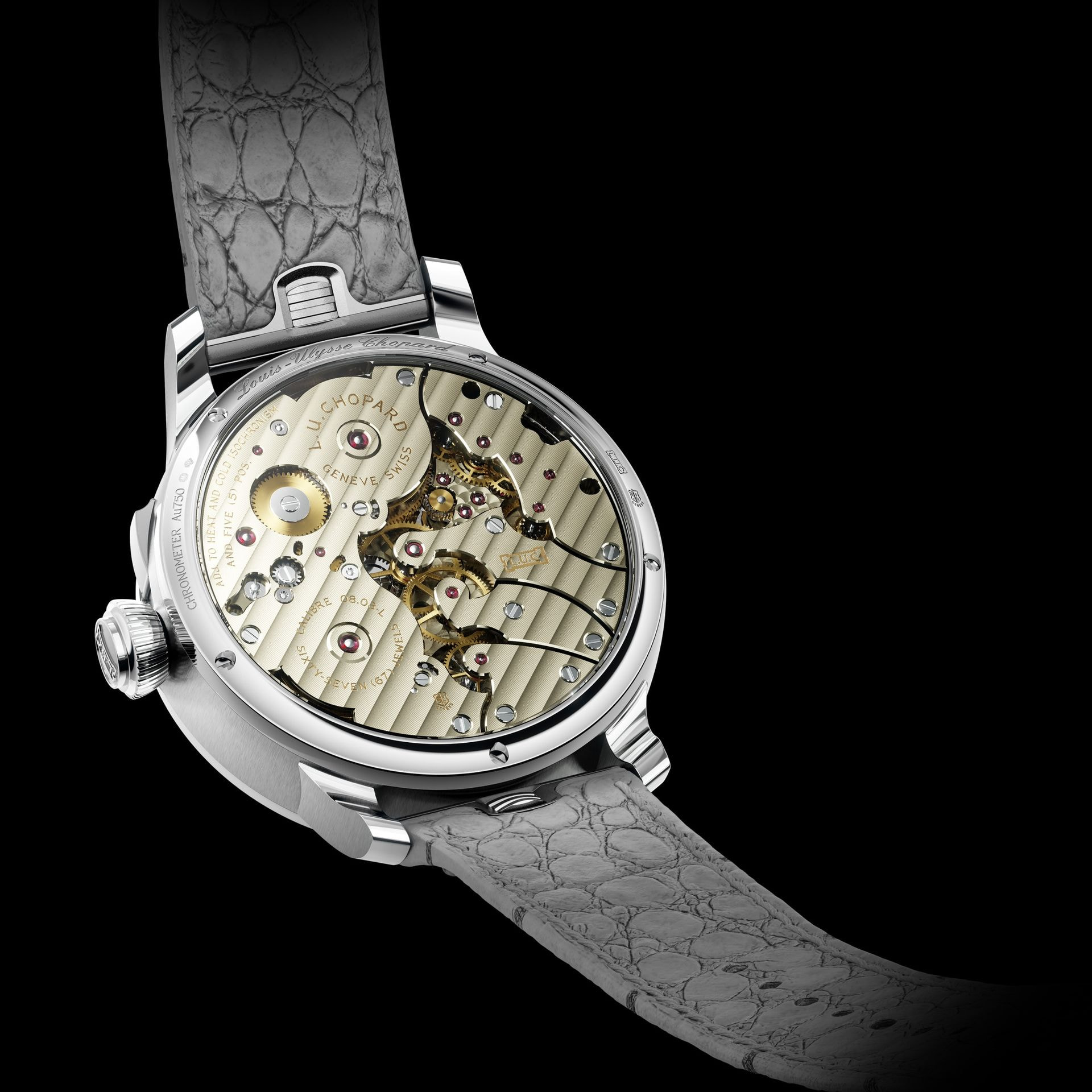
If watchmaking had a heavyweight division, the L.U.C Grand Strike would be the reigning champion nobody wants to fight. Nominated in the Mechanical Exception category, it is the most complicated chiming watch Chopard Manufacture has ever produced, a 686-component argument for why grown men still get excited about tiny metal parts.
Inside beats a grande sonnerie, a petite sonnerie, and a minute repeater, all speaking through proprietary sapphire crystal gongs rather than the usual metal. That detail matters more than it sounds. Sapphire changes the tone entirely, giving the chime a clarity that traditional gongs cannot match, the kind of upgrade only a manufacture obsessed with its own homework would bother making.
This is not a debut swing either. The L.U.C. Grand Strike builds directly on the L.U.C Full Strike, which walked away with the Aiguille d'Or, the GPHG's top prize, back in 2017. That win effectively canonised Chopard as a serious player in chiming complications, and the L.U.C. Grand Strike reads like the sequel greenlit only because the original actually earned it.
Chiming watches are among the hardest pieces in the industry to get right, and a manufacture does not casually revisit grande sonnerie territory unless it genuinely has the bench strength for it. That Chopard has, and has improved on its own formula with sapphire gongs, says as much about the depth of its workshop as it does about this particular watch. For collectors, this is the nomination to watch. Literally.
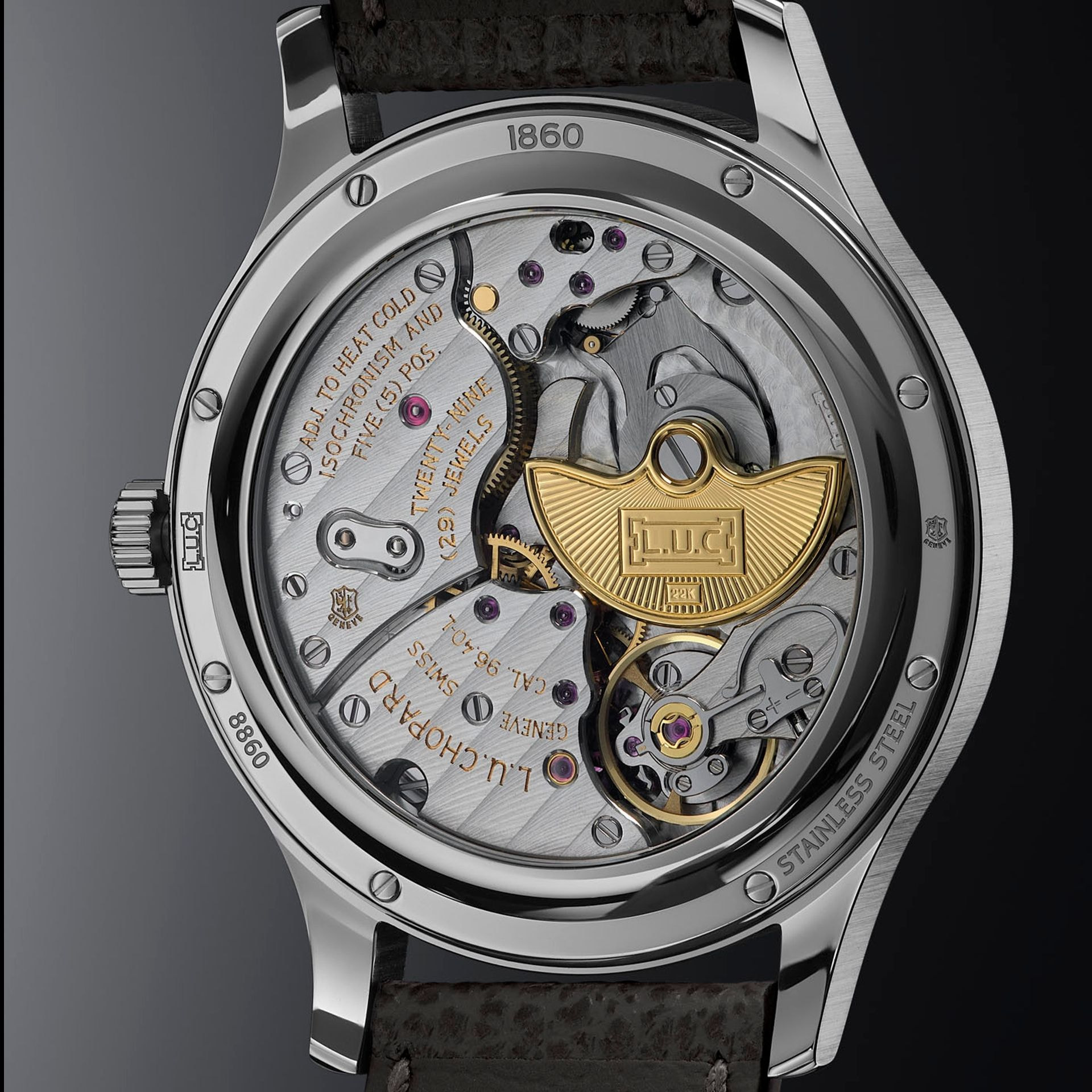
The L.U.C 1860
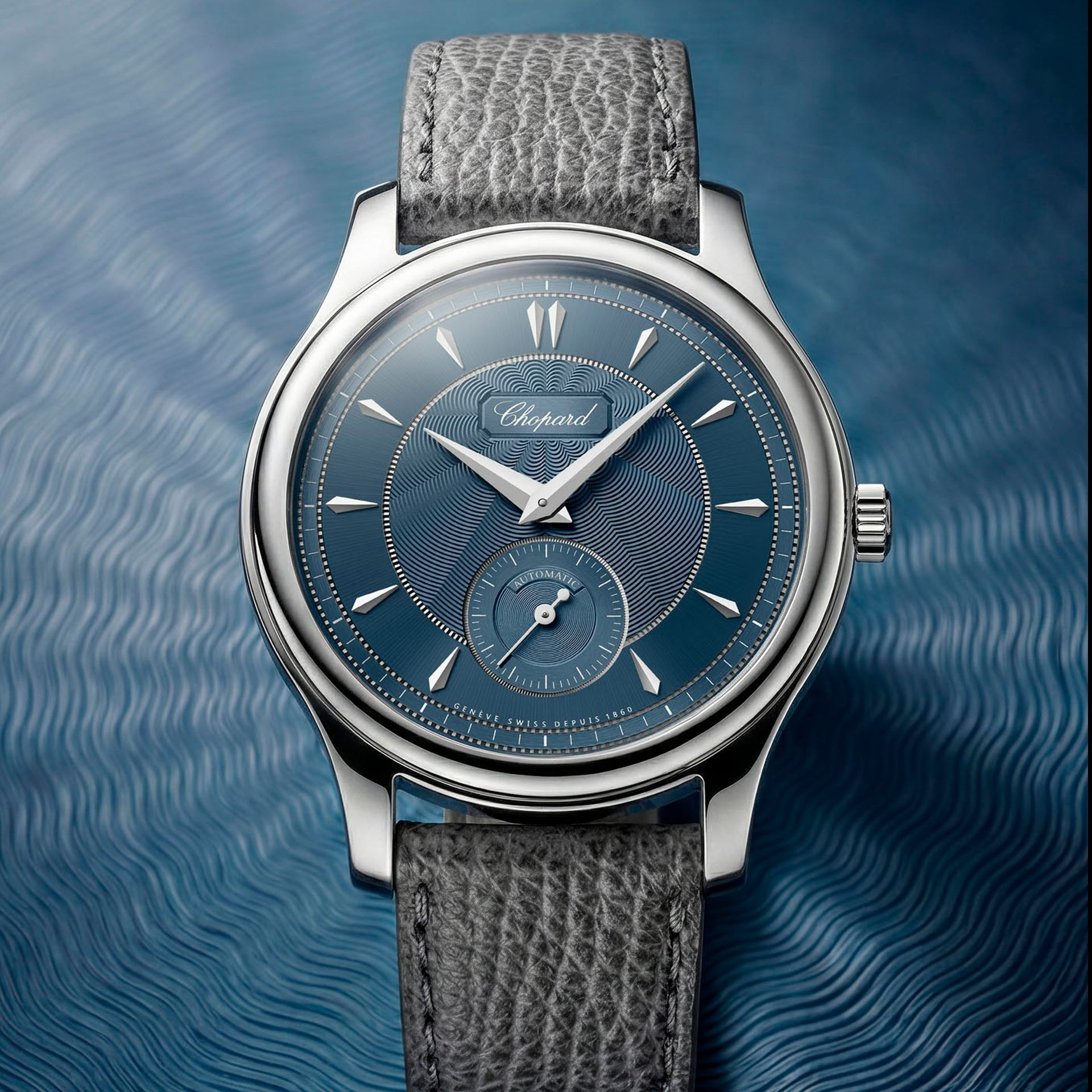
Not every great watch needs to announce itself with a minute repeater. The L.U.C 1860, nominated in the Time Only category, marks Chopard Manufacture's 30th anniversary by returning to where the whole L.U.C story began, a faithful continuation of the very first watch in the collection.
Cased in Lucent Steel and powered by the ultra-thin L.U.C Calibre 96.40-L, its most distinctive feature is a dial finished in what Chopard calls Areuse Blue, a colour lifted from the river running past the manufacture in Val-de-Travers. A small, confident touch, the kind that separates a watch made somewhere from a watch made for somewhere.
Time Only categories tend to be judged on restraint rather than spectacle, and the L.U.C 1860 plays that game well. It is the watch you buy when you have already proven a point and no longer need to, the horological equivalent of a well-cut navy suit that somehow makes everyone else's outfit look like it is trying too hard.
There is also the anniversary angle, which gives the piece a narrative most Time Only watches do not get. Thirty years is a meaningful marker for a manufacture, and bringing back the original design rather than reinventing it is a statement of confidence in itself. Every serious collection needs at least one piece like this, and this year it happens to be up for one of watchmaking's most respected honours.
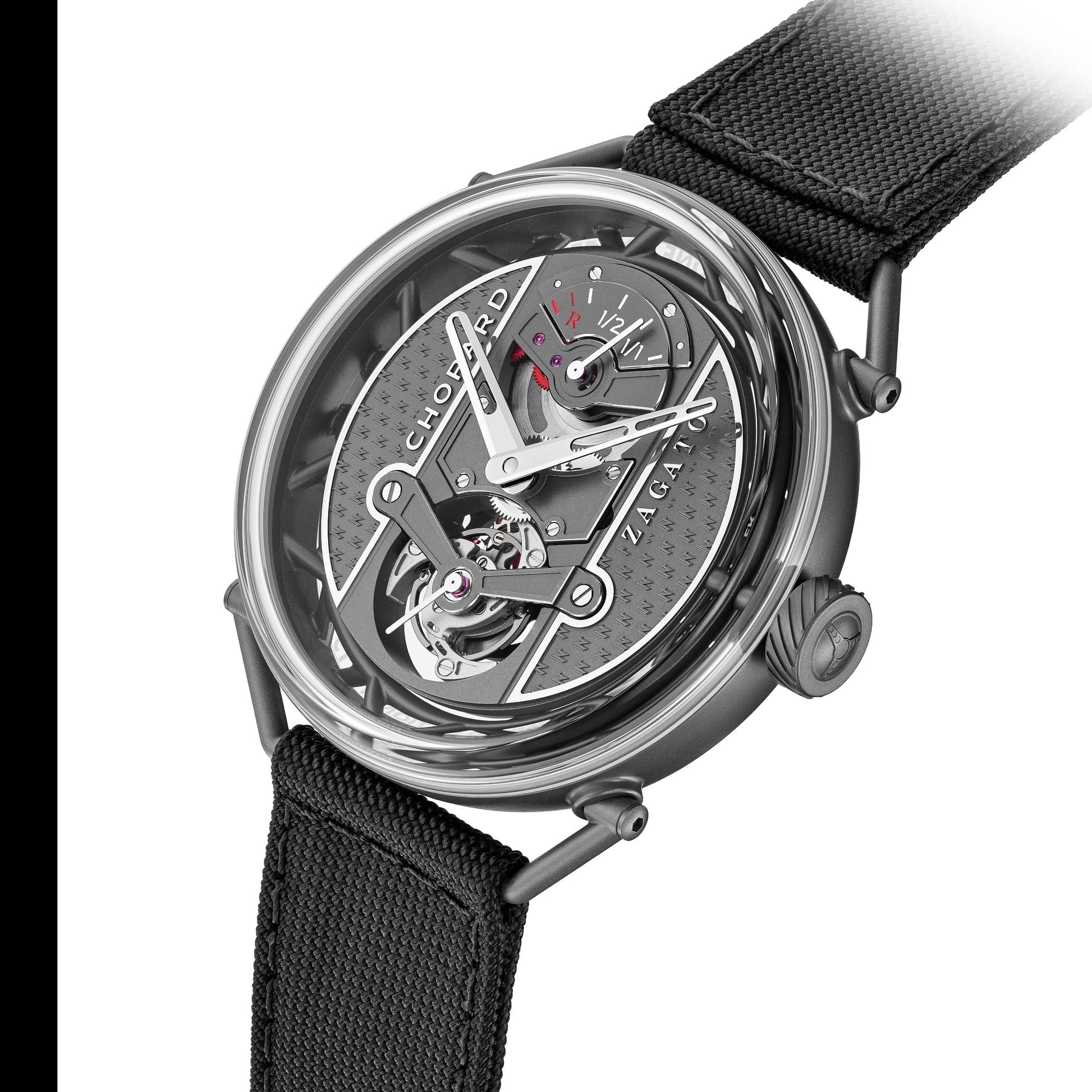
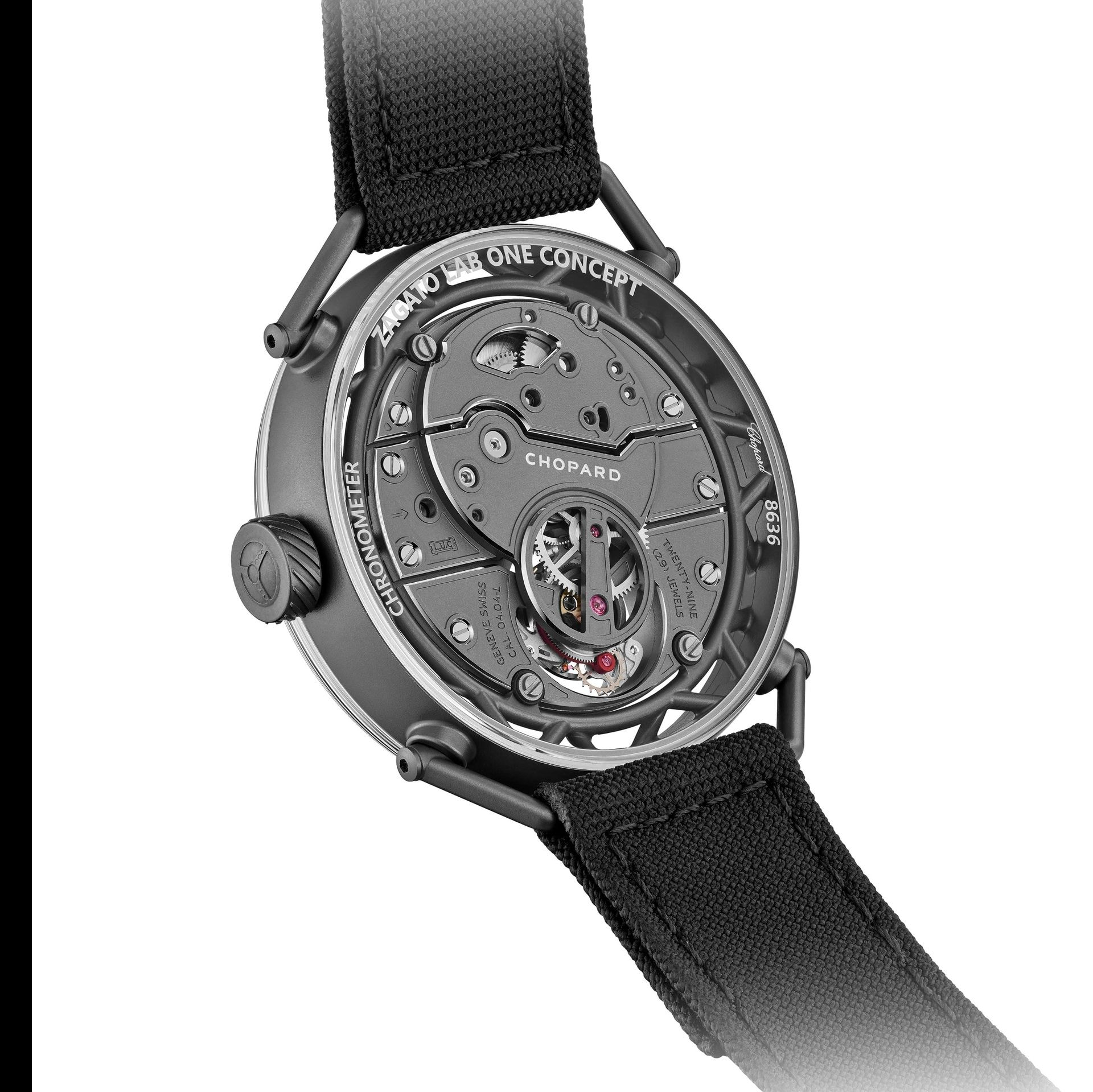
The Zagato Lab One Concept
Then there is the one built to be argued about. The Zagato Lab One Concept, nominated in the Sport category, is Chopard's collaboration with the Italian automotive design house Zagato, and it wears that pedigree unapologetically.
Limited to 19 pieces, it is built almost entirely from ceramicised titanium, an ultra-light material used not just for the case but for the tourbillon's bridges and mainplate as well. That is an unusual flex even by concept-watch standards, and it signals a piece engineered as much as it was designed.
For men whose taste runs toward cars as much as calibres, this is the nomination with the most crossover appeal, a watch that would look equally at home on a wrist or bolted to a dashboard. Nineteen pieces is also a deliberately small number, small enough to function as a statement rather than a product line, and concept collaborations like this rarely survive the rigours of GPHG judging at all.
Why This Batch Matters
Three categories, three completely different arguments for why a watch deserves your attention: heritage and complication with the L.U.C. Grand Strike, restraint and craft with the L.U.C 1860, and material innovation with the Zagato Lab One Concept. Together they make a reasonable case that Chopard's 2026 GPHG showing is less about chasing trophies and more about proving class.
It also helps that Chopard is not new to this stage, having been a fixture of the GPHG since its early years and picked up category prizes across watchmaking and jewellery along the way, including the Sports Watch Prize at last year's edition. A track record like that changes how you read a fresh set of nominations. This is not a manufacture hoping to get noticed, it is one that keeps showing up prepared.
The results land later this year. Until then, these three are worth keeping on the radar, and worth an argument or two at your next watch meetup.
Photos courtesy of Chopard.
