

14.09.2025

Why the new elites from China must reclaim its aristocratic and noble heritage

Explore how the modern China’s emerging aristocracy is seeking to restore the elitism, cultural and hereditary traditions erased during the Cultural Revolution.
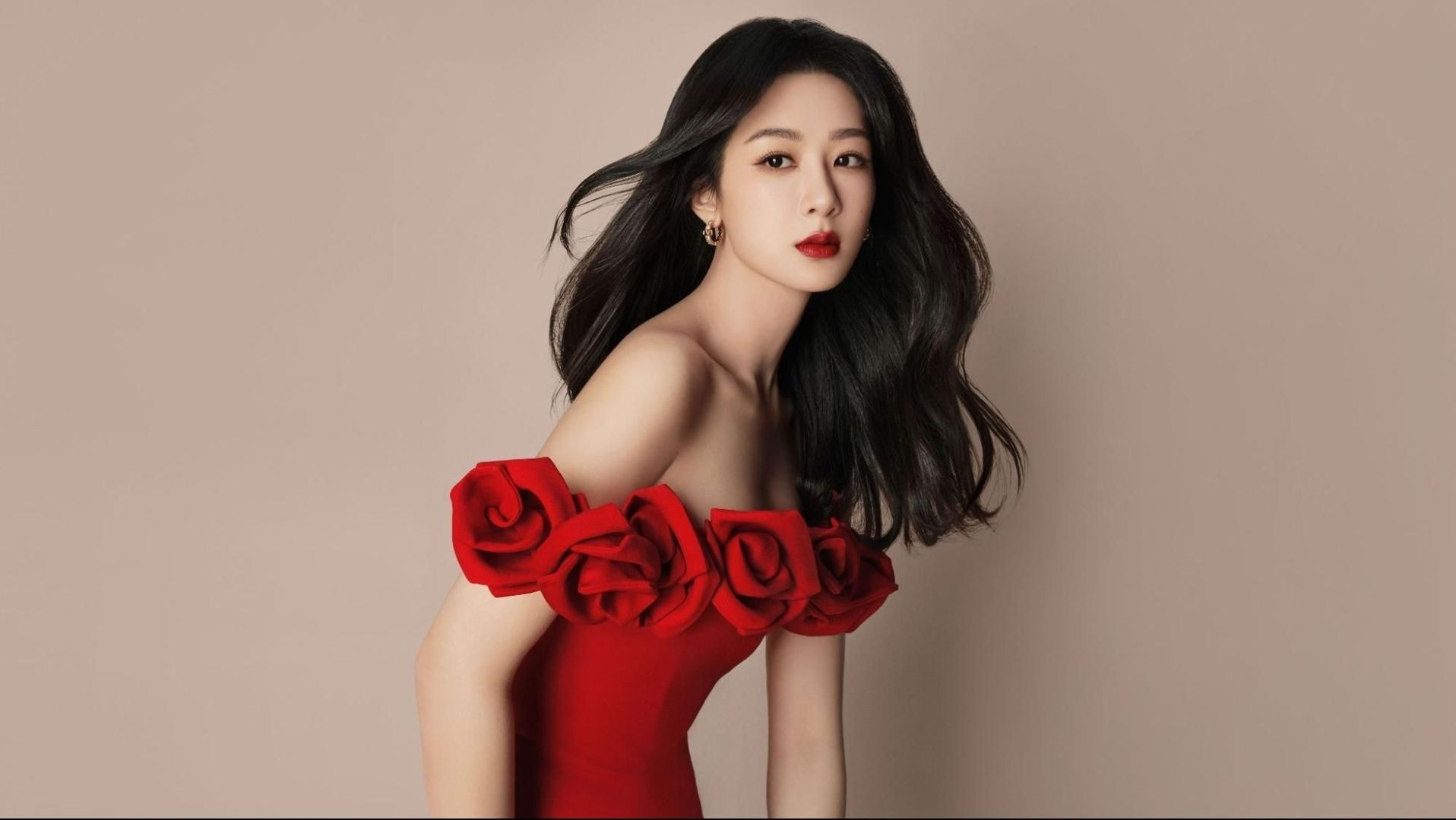
China's actress and singer Yang Zi was tapped by Valentino to represent the brand. Photo: Valentino

Words: Raja Izz


Editorial Disclaimer

This article presents a provocative perspective on elite culture and social hierarchy in contemporary China. The views expressed represent one viewpoint in an ongoing debate about meritocracy, heritage, and social mobility. While we value diverse intellectual discourse, readers should note that the arguments presented - particularly regarding inherited privilege and aristocratic values - may not reflect contemporary democratic principles or social equity considerations.

The editorial team encourages readers to engage critically with these ideas and consider multiple perspectives on questions of leadership, social structure, and cultural heritage in modern society.

----


A month ago, I witnessed a new premium China's EV launch at one of Kuala Lumpur’s historical landmarks. What surprised me was not the car’s design or its technological innovation, but the ethos that the Chinese brought with it: elegance.

The word elegance was invoked four times in conversation, underscoring the dramatic shift in China’s ambition - from the masses to cultivated distinction, a reflection of how the new generation is reclaiming sophistication.

That moment fueled my curiosity to research China’s emerging elite, which led me to discover the honorable Mr. Chan Kung's (ANBOUND Chief Researcher and one of China’s renowned experts in information analysis) essay on China's new elites.

Mr. Chan Kung's recent essay on China's new elites, while thoughtful in its attempt to define contemporary leadership, fundamentally misunderstands the nature of true distinction. In dismissing bloodline and heritage as determinants of elite status, he inadvertently affirms the very legacy that Mao Zedong inflicted upon China's "Four Olds" - Old Ideas, Old Culture, Old Habits, and Old Customs - a destruction on royal and noble heritage so complete that the new China's elites now find themselves orphaned from their own identity and aristocratic legacy.
The destruction of artifacts, texts, and traditions by Mao Zedong was a deliberate attempt to erase what was perceived as the "Four Olds" - Old Ideas, Old Culture, Old Habits, and Old Customs. This ten-year movement, led by Mao Zedong, aimed to enforce communist ideology and eliminate aristocratic and traditional elements from Chinese society. It resulted in widespread social upheaval, persecution of intellectuals and "class enemies," and the loss of countless historical treasures. The impact was felt not only in the physical destruction of heritage but also in the deep psychological and social trauma that affected generations.

GC Illustration.


The Great Erasure

For over two millennia, Imperial China cultivated a sophisticated class of junzi - aristocrats who embodied Confucian ideals of gentlemen, speaking "with their mouths, not their fists." These were not merely wealthy merchants or political climbers, but refined men who owned palatial estates, bred magnificent horses, and maintained cultural continuity across dynasties. They were the keepers of civilization itself.

However, The Cultural Revolution (1966 - 1976) swept away this entire world with ruthless efficiency. Books were burned, statues toppled, and family lineages deliberately severed. Communist China, consumed by egalitarian fervor, sought to erase everything that suggested descendants, refinement, or inherited distinction. In doing so, it destroyed not just descendants but the very concept of aristocratic values and cultivated excellence that had sustained Chinese civilization for centuries.

Mr. Chan Kung's rejection of bloodline as a marker of elite status is, perhaps unwittingly, a continuation of this Mao's legacy. By arguing that modern elites should be defined solely by merit and "willpower," he accepts the Maoist premise that heritage and breeding are irrelevant - or worse, corrupting influences to be discarded.

Schools like Harrow are helping to bring more new China's elites to the UK.

Credit: Photo: GETTY


The British Template

Today's China witnesses a remarkable phenomenon: their emerging elite classes look not to indigenous traditions but to British aristocratic models for inspiration.

I have observed this transformation firsthand last month. Playing tennis with entrepreneurs from mainland China and - together with my Chinese my best friend - observing them dine at the second tallest hotel in their world, I witnessed a remarkable change: their mannerisms, etiquette, and effortless grace have a distinct air. Today, China’s emerging elite has ambition to cultivate true distinction.

This is no accident.

The English gentleman culture represents precisely what they lost - a synthesis of education, elegance, and etiquette that transforms mere wealth into genuine distinction.

China's super-rich entrepreneurs, many descended from "entrepreneurially minded farmers" who seized opportunities during the 1980s reforms, recognize their own limitations. They possess fortunes but lack refinement. They understand that true elite status cannot be purchased - it must be cultivated through generations of careful breeding, education, and cultural transmission.

This is why, according to China's writer Yuen Ren, China's "second generation" - the children of nouveau riche families - increasingly seek education at Britain's most exclusive institutions. Eton, Harrow, Oxford, and Cambridge offer something that no amount of domestic wealth can provide: entry into a tradition of gentlemanly conduct that has endured for centuries.


RELATED: China's Eton Envy - Why They Loved British Gentleman Concept


The Nostalgia Factor

The honorable China's emulation for British aristocracy springs from a profound nostalgia for their own lost royal descendants and nobility. When they observe the effortless grace of an English lord or the understated authority of an Oxbridge graduate, they glimpse what their own junzi class might have become had history taken a different course.

Imperial China once produced men of comparable refinement - scholars who could compose poetry while governing provinces, warriors who maintained libraries alongside their swords. These traditions survive now only in literature and drama, museum pieces rather than living culture.


RELATED: An epic of masculine greatness: The Romance of Three Kingdoms

Children are taught how to use cutlery during an etiquette and manners class in central Shanghai. 
Photo: AFP


The New Aristocracy

Contemporary China is experiencing a renaissance of aristocratic sensibilities. Powerful families are rising again, tracing genealogies and collecting heirlooms with renewed interest. Social mobility increasingly requires not just talent but connections - and increasingly, the right heritage.

The phrase "second generation" describes this emerging order: young people born not to struggle but to exhibit finesse. They are often criticized in the press for their privilege and excess, yet they represent something profoundly important - China's attempt to recreate the aristocratic class that Mao destroyed.

These young aristocrats understand instinctively what Chan Kung's essay misses: that true elites are not self-made individuals who rise through willpower alone, but inheritors of cultural capital accumulated across generations. They recognize that distinction requires not just personal achievement but breeding, education, and the quality that comes from being born to serve rather than merely succeeding.


RELATED: Lineage vs. materialism: Why bloodlines triumph over net worth

GC Illustration.


The Gentleman's Revival

China's new elite is preparing to take over the world gracefully, and when it does, it will be with gratitude to aristocratic qualities and multi-generational values. Unlike American counterparts, who celebrate self-made success and democratic values, they understand the necessity of hierarchy and the importance of cultivated excellence.

The gentleman's code - with its emphasis on elegance, etiquette, and refinement -offers their rising elites a template for global leadership.

In rejecting bloodline, Chan Kung accepts the egalitarian myth that destroyed their great civilization once before. Today's China requires not self-made elites defined by willpower alone, but a new aristocracy that can reclaim their noble heritage while embracing the world's finest traditions of gentlemanly conduct.

The future belongs to those who understand that true distinction cannot be earned - it must be inherited, cultivated, and transmitted across generations. China's new elite represents our global power's return to its natural hierarchical order.


The “Double-Hundred” Policy – The State Council Information Office the People’s Republic of China

2 Deshpande, G. P. “China’s Great Cultural Revolution.” Economic and Political Weekly 1, no. 11 (1966): 453–55. https://www.jstor.org/stable/4357141.

About the Author

Raja Izz

Raja Izz (MBA) is the co-founder and Editor-in-Chief of Gentleman's Code (GC), a publication that champions elegance and refined living.

Since its inception in 2018, under Raja Izz’s leadership, GC has reached remarkable milestones, including being nominated by LUXLife 9th Annual LUX Global Excellence Awards 2025 and recognized as one of the Top 20 Digital Men’s Magazines by Feedspot in the same year.

With his signature blend of gravitas and grace, Raja Izz does not seek the spotlight. Instead, he builds the platform - for others to rise, for values to return, and for men to remember who they once aspired to be.

Related posts