


From L to R: Tengku Uda and Tunku Ghaffar from ASTRO's "Kudrat 1968: High Council"
Photo credit: Astro Shaw
Words: YM Tunku Sophia
What is left to show when your family’s story is already older than anyone’s wealth?
I smiled when I read a recent Esquire ME "Is Society’s Obsession With Wealth Making Us Sick?", an essay by Josh Sims, which revisits a word Tom Wolfe coined some forty years ago: “plutography,” the fascination with how the very rich live. It observes how television, feeds and glossy pages offer a steady parade of mansions, jets and watches, and how that parade may change what we believe is normal. Research it cites suggests that the more such images we see, the wealthier we imagine other people to be.
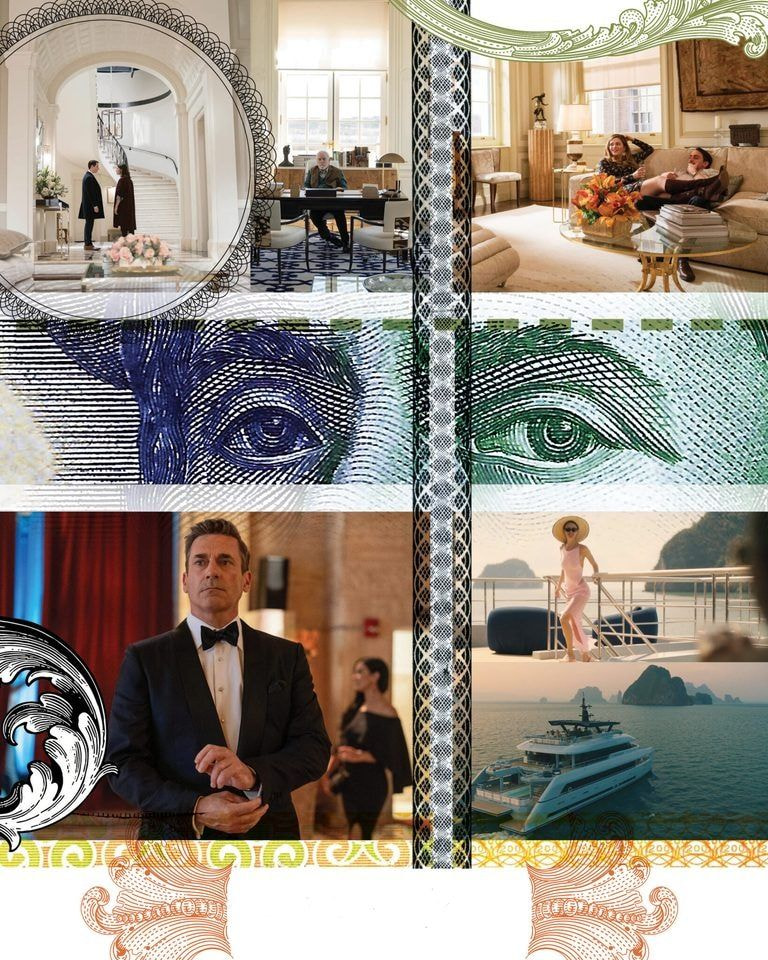
From Succession to The White Lotus, Gossip Girl to Billions, Big Little Lies to Industry and Your Friends & Neighbours, must-see TV shows are born of the same ecosystem: the norm is that everyone is filthy rich.
Photo: Esquire ME illustration
I read it as a lady of an old house, and my first feeling was tenderness for anyone taught that a life is measured by what is parked outside it.
Our elders taught otherwise. In the old Malay courts, the ideal was the anak majlis, the person of the assembly, whose measure was moderation in all things: how he spoke, dressed, dined and travelled, and how much room he took in a gathering. The great manuscripts speak of budi and bahasa, a humility that lifts others.
I was reminded of an evening at a private golf club, when I was introduced to a gentleman from one of Johor’s patrician families. His dress was modest, a simple jacket, no flourish anywhere. He wore no watch I could name and carried nothing that announced a label. Yet within minutes I felt I was in the company of a very fine mind. He spoke of how a nation might be made more cultured, how its institutions might be made more prestigious, and how the young might be raised to carry its name with pride. He asked more questions than he answered. I left with the feeling of having been gently enlarged.

Stanley Johnston, an American self-made billionaire obsessed with British aristocracy and attached himself with "old money style", in Guy Ritchie's action-comedy series The Gentlemen.
Photo: Netflix
Not long afterwards I met another man, a self-made entrepreneur, who was thrilled by the GC world. His eyes lit up as he described a luxury watch, a black tie event, the cut of a certain suit. His joy was real, and I was happy for him. But I noticed how the evening settled around materials and objects, and how much lighter it felt when conversation turned to nation-building. One gentleman wore little and offered a great deal. The other wore much and, for a moment, offered less. The difference was in where the attention was pointed.
There is a graceful logic here. Wealth announces itself because it is new and must be introduced. Lineage never needs to. A family whose name has been woven into the story of a land for generations has nothing to prove, and so it proves nothing. No fortune can purchase a grandfather who taught a child to rise when an elder enters.
Beautiful things need not be hidden. Admiring tailoring or fine craft is a pleasure, and the old courts adored craft. What matters is what the object is for. Is it worn to honour the occasion, or to make someone stand out? An heirloom watch worn beneath the cuff, known only to its wearer, carries more distinction than any display. Restraint, in this way, becomes a form of hospitality, so that no guest feels underdressed and no friend feels smaller.
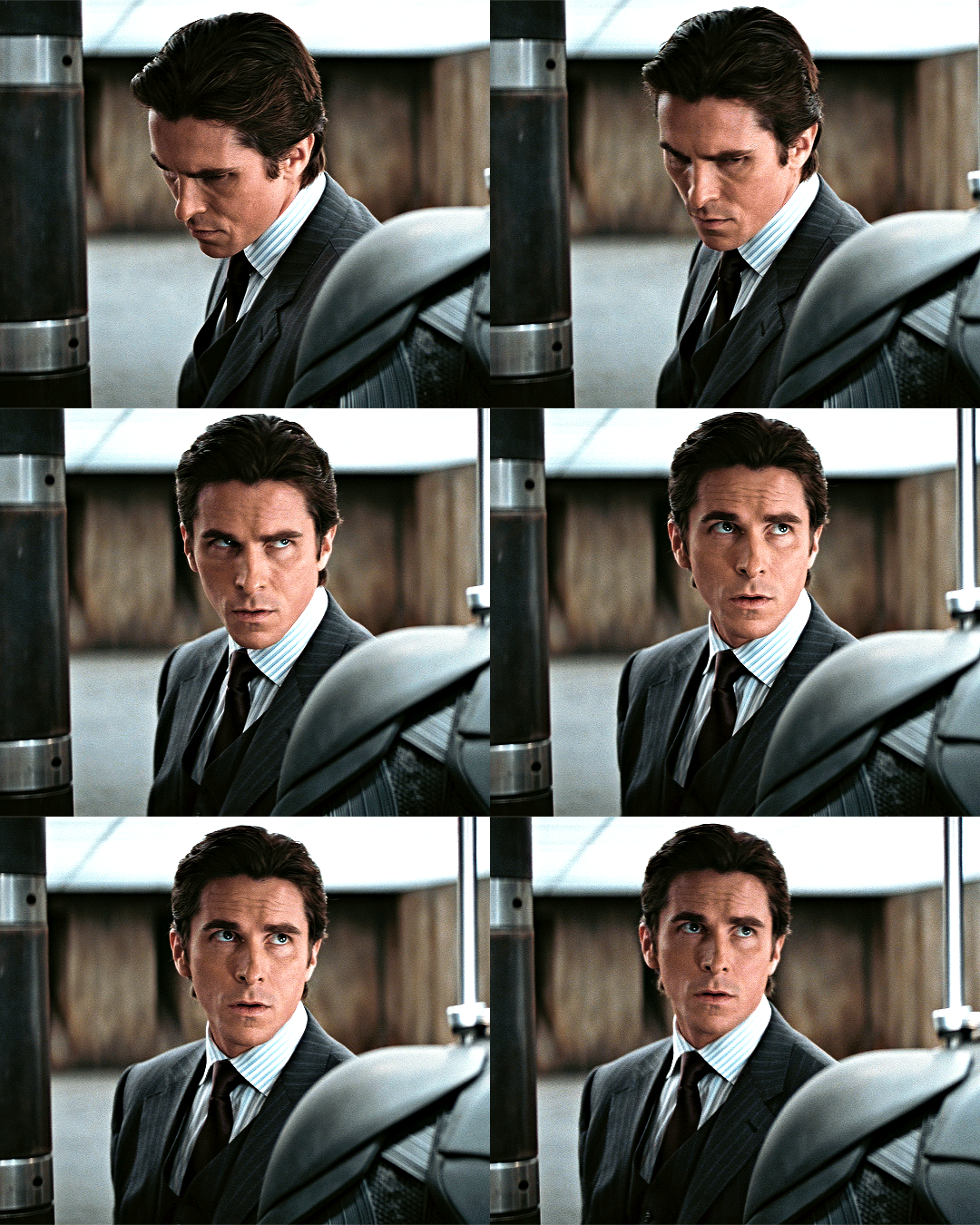
Bruce Wayne.
Photo credit: DC
For the young readers of GC, I offer three small thoughts. Spend your attention on becoming before you spend your money on appearing. Let your standard be the quality of your manners, the one luxury everyone can afford. And ask yourself, at the end of an evening, whether you spoke of things or of the nation you hope to lift, for the second is the conversation that is remembered.
The world will go on offering its mirrors. It is a lovely gift to stand among them as someone who does not need to look.
So, what is left to show when your family’s story is already older than anyone’s wealth?
Nothing, dear reader. That is rather the point, and perhaps the finest secret of all.