

29.07.2026

The best PM Malaysia never had: What my father, Tun Dr Ismail, taught me about leadership

A personal reflection by Tun Dr Ismail's son - Tarmizi Tun Dr. Ismail -on trust, duty, and quiet stewardship, published to mark the anniversary of his father's passing and the leadership legacy he left Malaysia.

Photos courtesy of Tarmizi Tun Dr. Ismail.


Words: Tarmizi Tun Dr. Ismail

EDITOR’S NOTE

Tun Dr Ismail Abdul Rahman (1915-1973) served as Malaysia’s second Deputy Prime Minister, a physician who entered public life reluctantly and rose to negotiate the terms of the nation’s independence, represent it as its first Ambassador to the United States and Permanent Representative to the United Nations, and hold some of government’s most sensitive portfolios. He was recalled from retirement in 1969 to restore trust across communities following the riots of that May, and remained in office until his passing on 2 August 1973. GC publishes this reflection, written by his son, to mark that anniversary and the standard of quiet stewardship it continues to represent.


My first lessons in leadership did not come from books or classrooms. They came from watching my late father, Tun Dr Ismail, serve a young Malaysia.

As a child, I saw small parts of nation-building up close: conversations at home, official occasions during school holidays, and visits from civil servants, politicians, foreign dignitaries and leaders who came to seek his counsel.

I was too young to understand the full weight he carried, but I remember his discipline, his calm authority and his deep sense of duty.

At that age, I knew him simply as my father. It was only later that I came to understand, in fuller historical detail, the man he had been in public life.

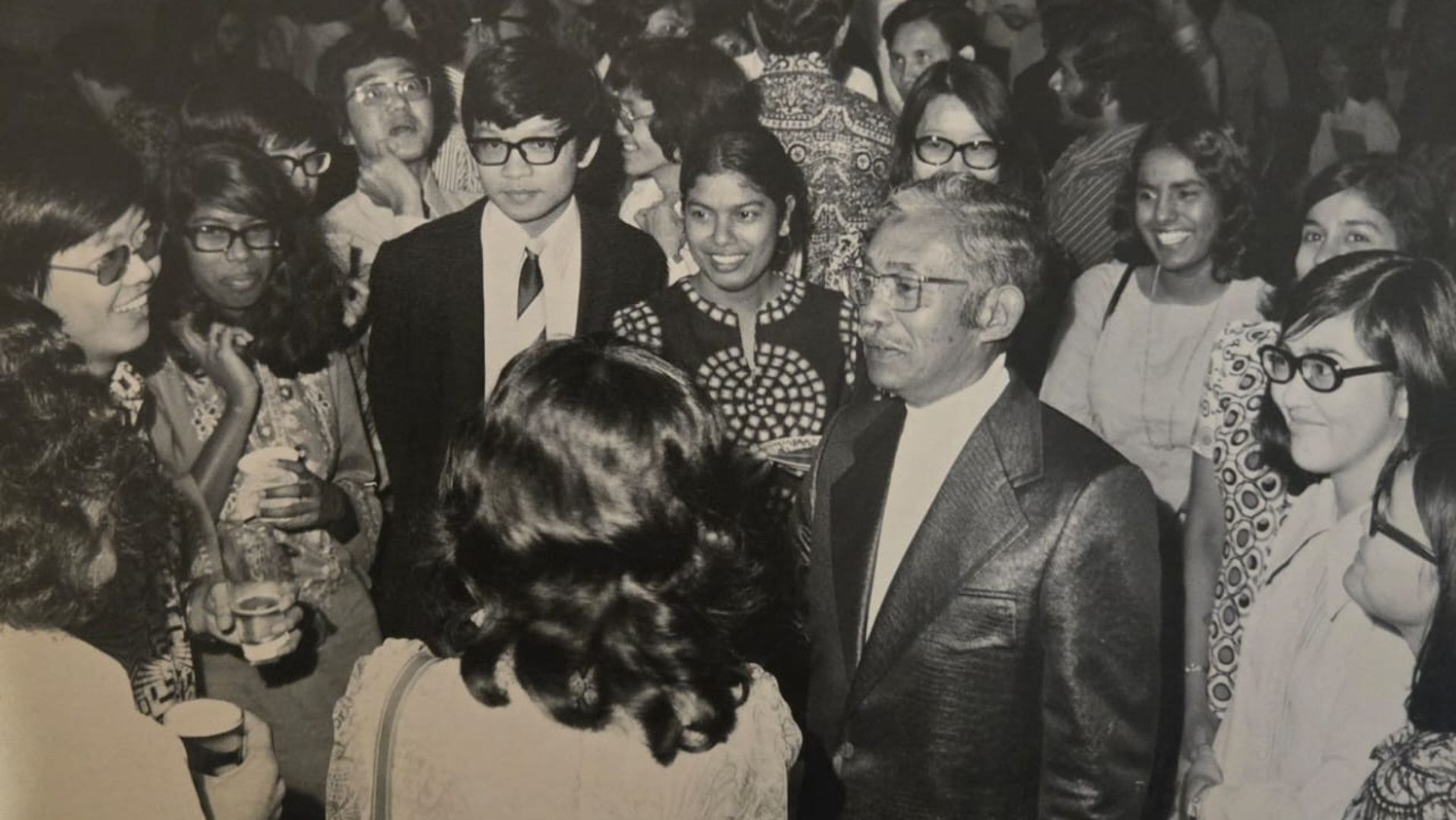
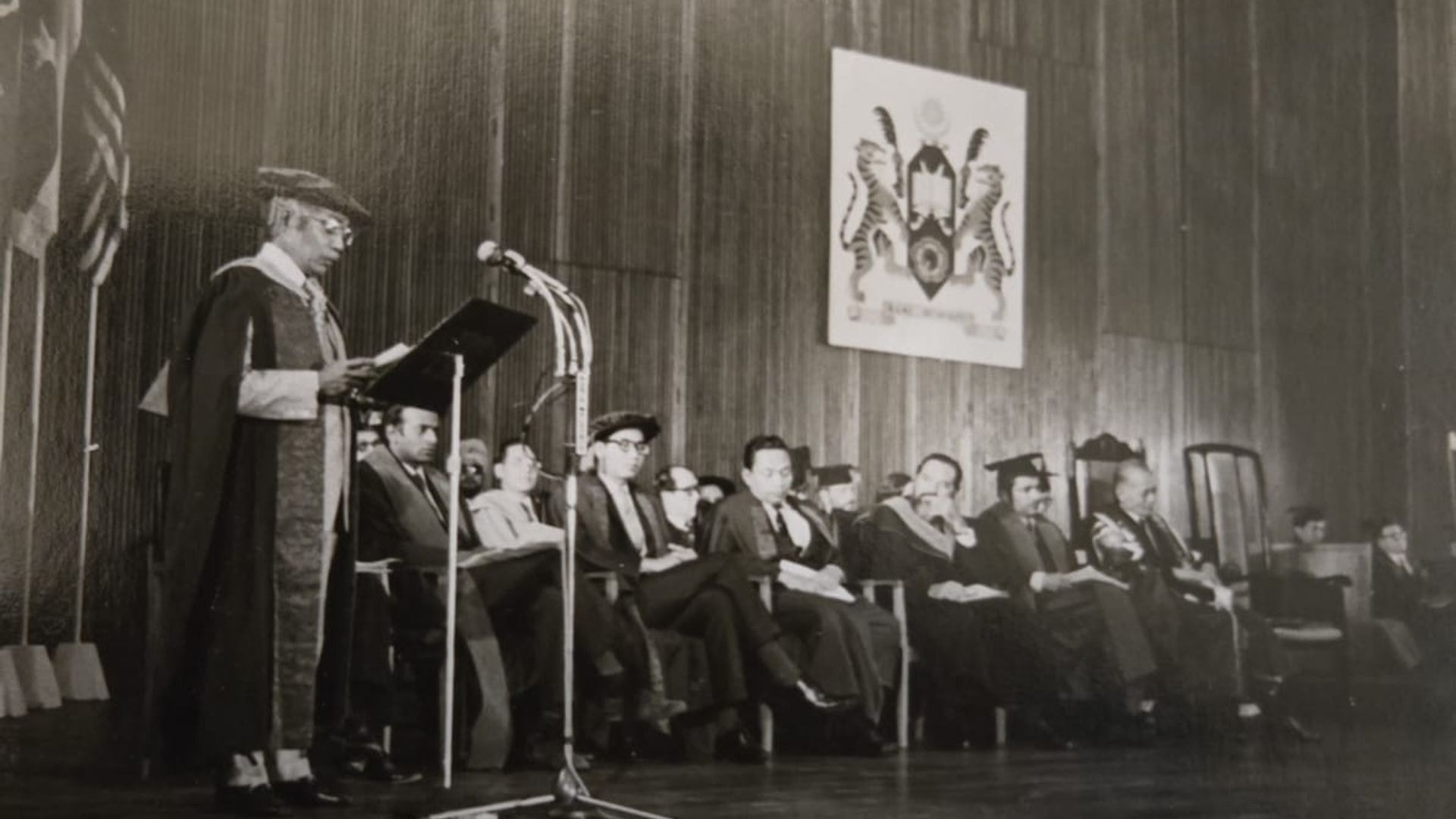
A doctor by training before he was ever a politician, he entered public service reluctantly. He would go on to take part in the negotiations for independence, represent our young nation as its first Ambassador to the United States and Permanent Representative to the United Nations, and hold some of the most sensitive portfolios in government, including External Affairs and Home Affairs.

When the country was tested most severely following the events of May 1969, he was recalled from retirement to help restore calm and confidence.

He returned not because it was convenient, but because it was necessary.

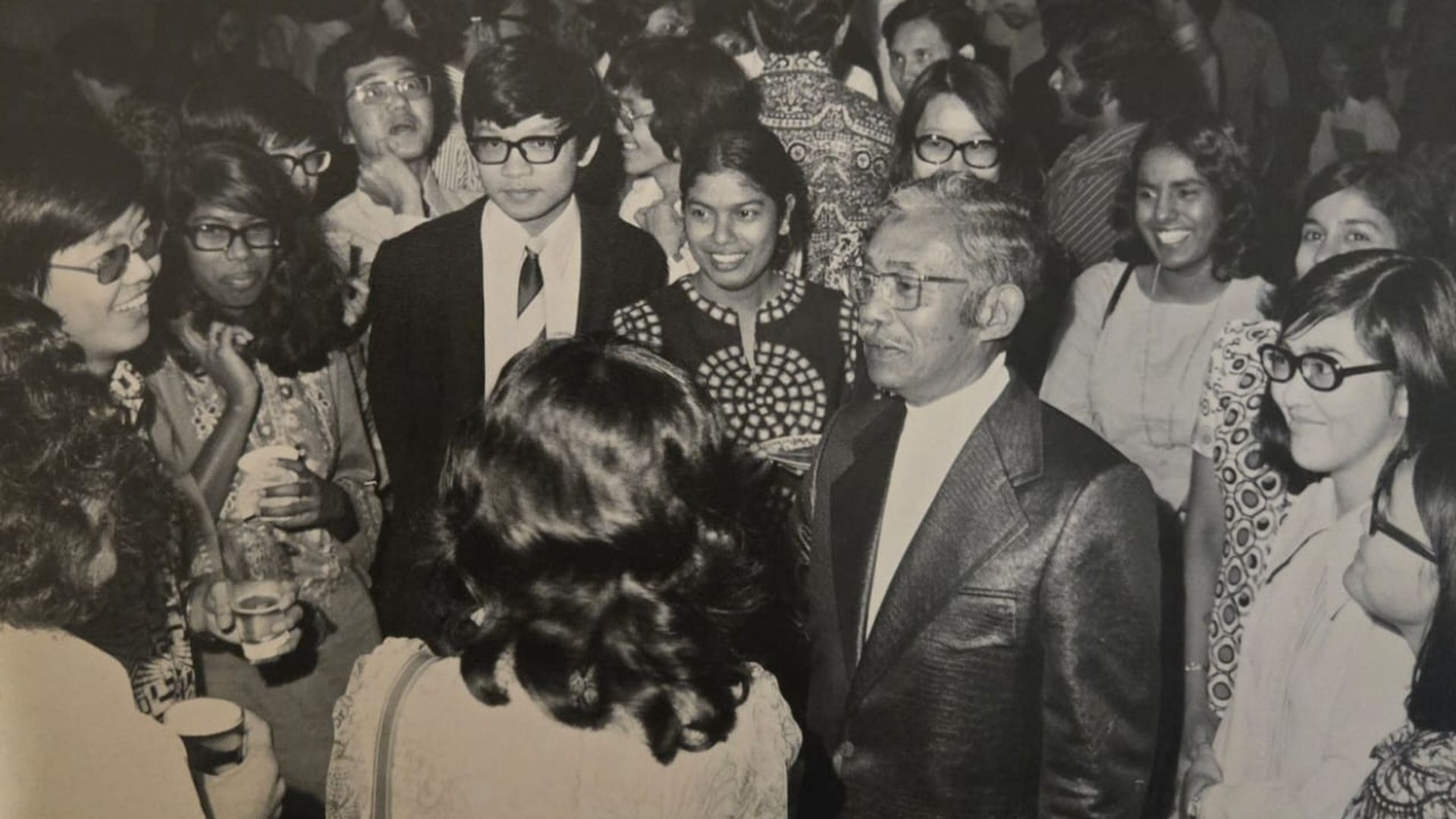
He was also one of the few people who could be asked to do so because he was trusted across communities, not only within his own.

That trust, earned rather than assumed, is the thread that runs through everything I have since tried to understand about leadership.

Trust Before Authority

Only later in life did I appreciate how deliberately my father guarded certain qualities in himself.

He had a refusal to be bought or flattered, a discomfort with racial politics, and an insistence that a leader’s word, once given, was a debt to be honoured.

I did not witness every part of his public life. Much of what I came to understand was told to me later by others: colleagues who had worked with him, foreign counterparts who had negotiated with him, political rivals, and ordinary Malaysians who had observed him from a distance.

What struck me was how consistent their impressions were.

They remembered someone who treated people fairly regardless of race, who could not be persuaded by money or personal favour, and whose word could be relied upon.

That consistency taught me that leadership begins with trust.

Trust is not created by title, intelligence or visibility alone. It is earned slowly through conduct: by keeping one’s word, exercising judgment fairly, remaining steady under pressure and behaving with the same integrity whether or not anyone is watching.

In my own professional life, where I meet and assess senior leaders, I often reflect on this.

Credentials and performance matter, but they do not reveal the whole person. I find myself asking what values sit beneath a person’s ambition. How does someone behave when a decision becomes difficult? Does responsibility deepen the person’s sense of service, or merely enlarge the ego?

The leaders who leave the strongest impression are not always the most visible. They are often those whose judgment can be trusted because their conduct has remained consistent over time.

Duty and Personal Cost

My father resigned from the Cabinet in 1967 because of his health. Two years later, when the country was at its most fragile, he was called back.

As an adult, I have often thought about what that return must have required of him.

He did not return because the moment promised recognition or comfort. He returned because the country needed him and because the trust he had built made him one of the few people able to help hold a fractured nation together.

This is not a comfortable model of leadership.

It suggests that the hardest calls sometimes arrive when we are least prepared for them. It also suggests that stewardship may require a person to step forward again, at personal cost, simply because the moment demands it.

Most of us will never face responsibilities of that scale. Yet the lesson remains relevant.

Leadership is often tested in moments of uncertainty, pressure and incomplete information. It is tested when telling the truth is less comfortable than saying what people want to hear, and when the right decision carries a personal or professional cost.

I have learned in my own work that leadership is not always about offering certainty. Sometimes it is about being honest about what is not yet clear, while remaining steady enough to help others move forward.

There are times when speed is necessary. There are also times when good judgment requires pause, perspective and the willingness to sit with discomfort before acting.

My father’s example did not make leadership appear glamorous to me. It made leadership feel serious, human and deeply consequential.

The Discipline of Restraint

Much of what shaped me also came from the discipline of home.

We were taught to be respectful, observant and mindful of how we carried ourselves, especially around elders, guests and public figures.

The instruction to be “seen but never heard” may sound old-fashioned today, but it taught me to listen before speaking, to read a room and to understand that judgment often begins in silence.

Those early habits later became part of how I understood my father’s leadership.

He was never the most visible figure of the founding generation, yet his counsel carried weight because people believed he had no agenda beyond the country’s good.

His authority did not depend upon constant display.

There was a restraint in the way he carried responsibility. He appeared to understand that public office was not a personal possession, but a trust held temporarily on behalf of others.

That lesson feels particularly important today.

Leadership is often associated with visibility, confidence and the ability to command attention. These qualities can be useful, but they are not the same as substance.

Influence does not always have to be loud. Authority does not need to be repeatedly asserted. Sometimes the strongest presence in a room belongs to the person who listens carefully, speaks only when necessary and has considered the consequences of what he is about to say.

Restraint is not weakness. It is the discipline to control one’s ego, emotions and appetite for recognition.

Candour With Humanity

My own leadership style has developed through observation, professional experience, feedback and reflection.

I would describe it as calm, reflective and advisory in nature. Much of my work is carried out without formal authority. I do not command the organisations I advise, nor do I control the careers of the leaders I meet.

Yet my judgment can influence important decisions.

That has taught me to lead through trust, discretion and credibility.

It has also taught me the importance of balancing empathy with candour.

Senior stakeholders often need honest advice, but honesty must be offered in a way that preserves dignity and keeps the conversation constructive. Difficult conversations require preparation, respect and moral courage.

Truth should not be separated from humanity.

This is an area in which I continue to grow. My instinct is often to preserve harmony and consider the human consequences of a decision. That instinct has value, but I have also learned that empathy should not become avoidance.

There are moments when leadership requires firmness and greater directness.

My father was known for that kind of firmness. It was not firmness for its own sake, nor was it intended to humiliate. It came from clarity of principle and a willingness to say what needed to be said.

I continue to learn that candour, when delivered respectfully, can itself be an act of service.

The Meaning of Service

One memory has stayed with me more than any other.

The day after my father passed away, the cortege left our home on Jalan Maxwell, now Jalan Tun Ismail, for Masjid Negara.

Along the route, people from all walks of life stood in the heat to pay their respects. Many had never met him.

At the time, I could not fully understand what their presence meant.

Only later did I realise that they were not simply mourning a man who had held high office. They were acknowledging someone in whom they had placed their trust.

That memory taught me something I could not have explained as a child: real leadership is not measured only by office or title, but by the trust, dignity and sense of purpose a person leaves behind.

When authority is gone, what remains?

Did people feel that they were treated fairly? Did the leader strengthen the institution entrusted to him? Did his presence create confidence? Did he leave behind something larger than his own name?

The leaders who have made the deepest impression on me are not those who demanded attention, but those who carried responsibility with seriousness and purpose.

Leadership has meaning only when it contributes to something beyond the self.

What Endures

My father was one voice among a small generation of founding leaders.

Tunku Abdul Rahman was the figure who carried the nation’s hopes. Tun Razak was the builder of its institutions. My father was the steady hand trusted to help hold communities together when they were most likely to come apart.

They had different temperaments and different roles, but together they helped create something durable out of a fragile moment.

Every generation must define leadership in its own time. The challenges faced by leaders today are not the same as those confronted by the generation that built an independent nation.

Yet some principles should endure.

Integrity should endure. Courage should endure. Restraint should endure. So should the willingness to place the interests of the whole above the interests of a particular faction, organisation or individual.

Above all, trust should remain the foundation of leadership.

The real inheritance left by that founding generation was not only a set of institutions or policies. It was also a standard of conduct.

From my father’s example, I came to understand statesmanship not as a rank one attains, but as a discipline one practises.

It requires telling the truth even when it is unwelcome, treating authority as a trust rather than a possession, and carrying responsibility with the understanding that leadership is ultimately in service of others.

Continuing the Journey

The leader I want to become is still being formed.

Leadership development has no final point of arrival. It is a continuing process of learning, testing, reflecting and refining the way one uses influence and carries responsibility.

In the next stage of my own development, I want to become more decisive without losing thoughtfulness, more candid without losing empathy, and more confident without losing humility.

These qualities are not opposites. They are disciplines that must be held together.

I also hope to contribute more intentionally to the development of others. Having benefited from example, guidance, feedback and reflection, I recognise a responsibility to pass those lessons forward.

Whether through mentoring, advising or simply creating space for honest conversation, I hope to help others grow in confidence, judgment and self-awareness.

This is how the values of one generation are carried into the next: not through instruction alone, but through the quiet transmission of standards that people choose to uphold.

My father’s example remains my earliest and most enduring reference point.

I was too young to receive deliberate lessons from him about leadership. Yet his conduct left lessons that became clearer with time: that influence does not have to be loud, that authority requires restraint, that courage must be accompanied by humility, and that trust is built through choices repeated over many years.

The direction of my own leadership journey was therefore set long before I understood that I was walking it.

It began at home, in the example of a father whose judgment was trusted, whose authority was exercised with dignity and whose sense of duty was always larger than himself.

More than five decades after his passing, that remains the standard I continue to carry.

About the Writer

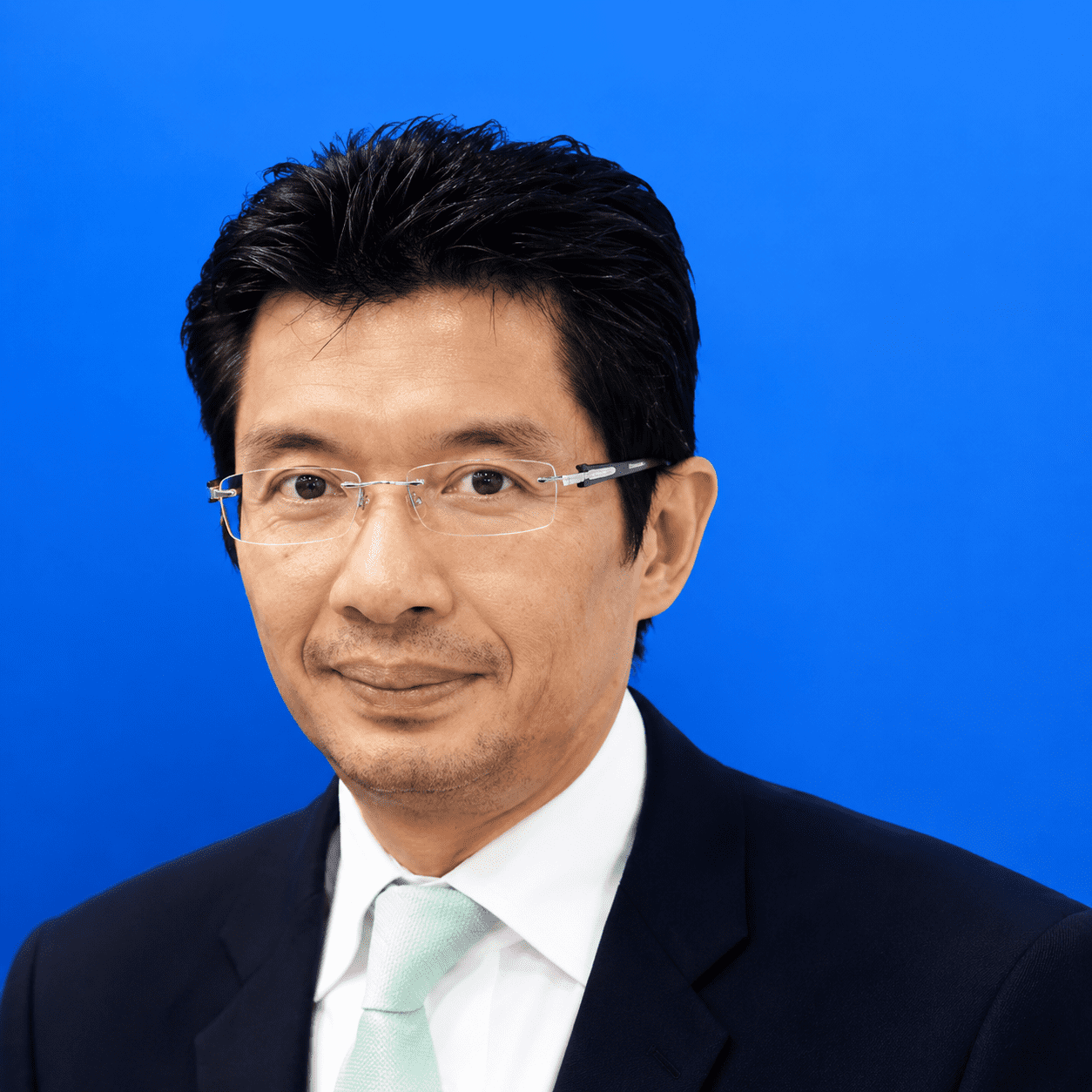
Tarmizi Tun Dr Ismail

Tarmizi began his career with Bank Negara Malaysia where he served for eight years in various departments of the Central Bank, including with the Office of the Advisor, Office of the Governor as well as at the Bank Negara Malaysia Office located in New York.

Upon completion of his service, he was appointed as Head, Fund Management with a leading investment bank for the next five years managing funds under management totalling RM 2 billion by the end of his tenure in 1995.

His experience in analysing and investing in various listed companies on Bursa Malaysia led him to his next career milestone as General Manager, Business Development and Corporate Services at Land and General Berhad, a conglomerate with businesses spanning across the property development, oil and gas, forestry as well as industrial businesses.

By 2000, he decided to embark on his own entrepreneurial pursuits and eventually established his own Executive Search firm, Tarmizi Tun Dr Ismail & Partners Sdn Bhd in 2002 where it continues to operate to this day.

During many of his assignments, his significant accomplishments have been working closely with Ministries, Government owned institutions as well as corporations alongside other large and medium sized companies where strategic top level leadership is needed to be strengthened as well as to provide advisory services and solutions to enhance the capability needs..

Having had the fortune of coming across many top level professional talents and corporate leaders over the last two decades, Tarmizi is now venturing to build and coalesce a repository of top level Malaysian professionals with numerous functional areas and across numerous industries to come together as a cohesive community of leaders so that they may contribute their vast and expansive knowledge and expertise in the service of nation building.

Related posts