

16.09.2026
Malaysia Day Exclusive: Up Close & Personal with Tarmizi Tun Dr. Ismail — Uncovering the code behind a nation builder
In this Malaysia Day 2026 exclusive, GC sits down with Tarmizi Tun Dr. Ismail, to explore the values, principles and personal code that shaped one of Malaysia’s most consequential statesmen — Tun Dr. Ismail.
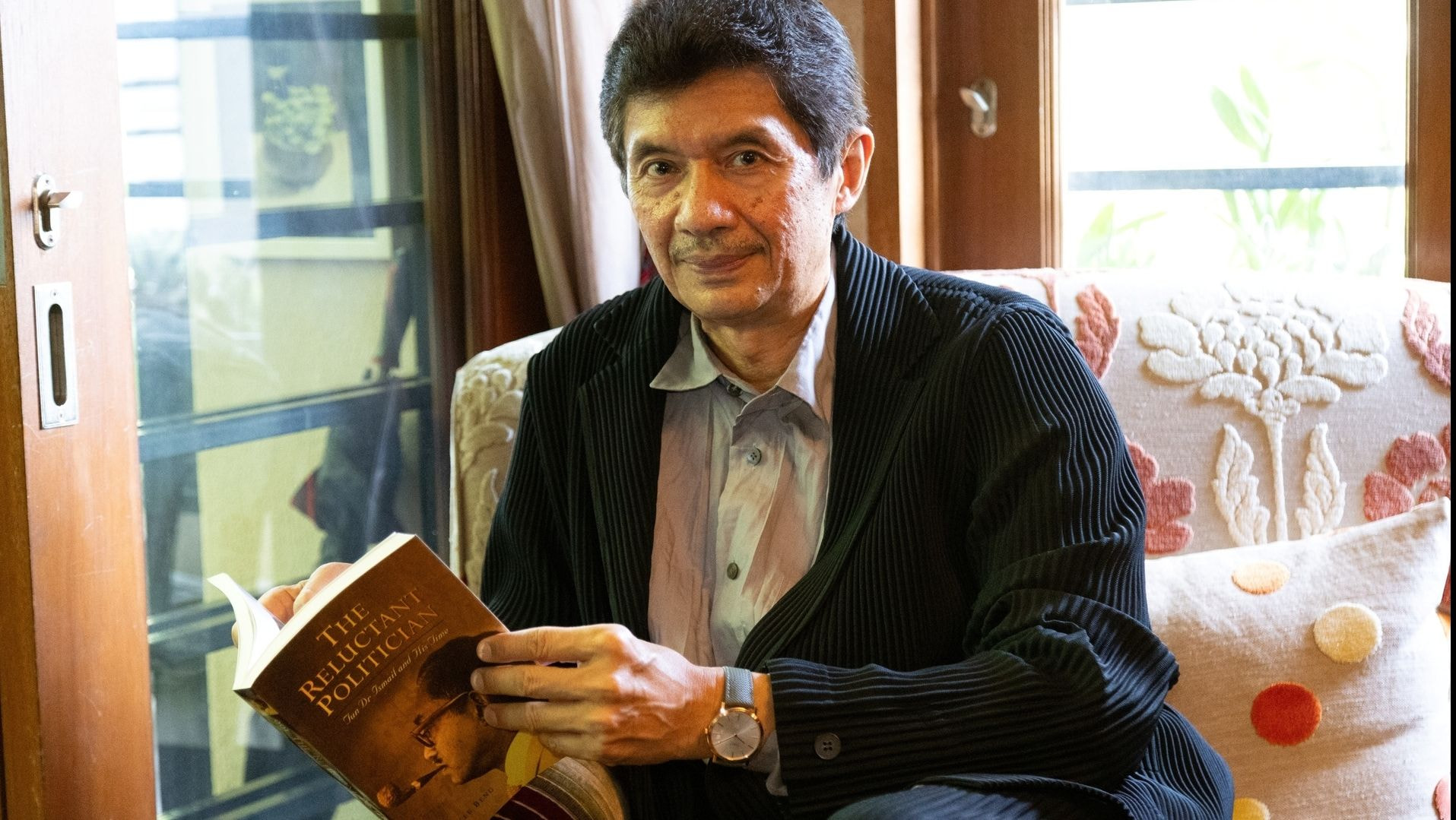
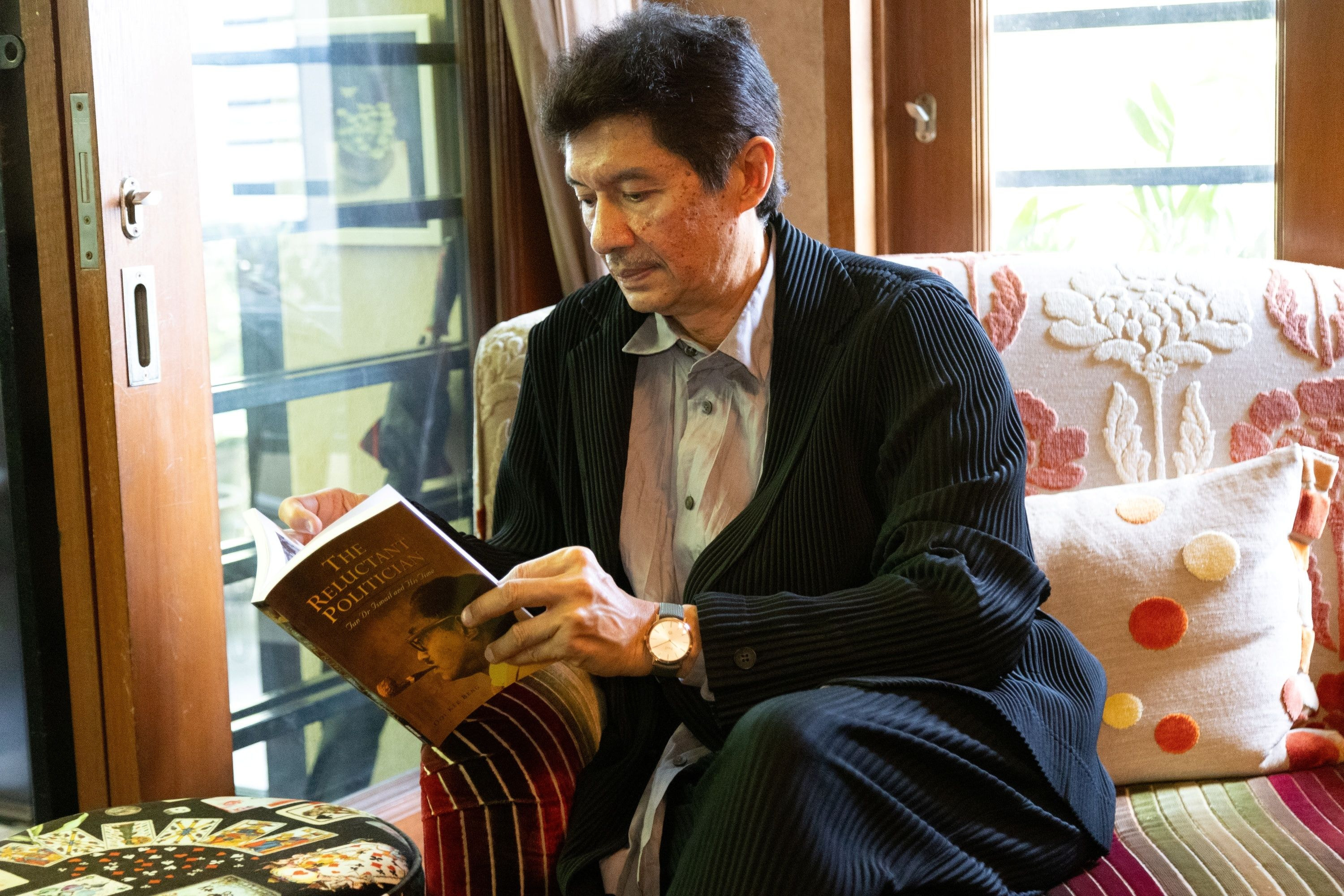
Tarmizi Tun Dr. Ismail is wearing Piaget Altiplano Origin watch, Altiplano Origin watch, 38 mm. Case in 18K rose gold. Sunburst white dial with hour-markers in rose gold and Piaget Coat of Arms. Calfskin strap in green. Manufacture 430P, ultra-thin hand-wound mechanical movement.
Watch G0A51500
Words: Raja Izz
What does a nation owe the men who built it, and what do their children owe the nation in return?
In conjunction with Malaysia's National Day 2026, GC sits down with Mohamed Tarmizi Ismail, son of Tun Dr. Ismail Abdul Rahman, Malaysia's second Deputy Prime Minister and a towering architect of the nation's early unity and stability. Tarmizi began his own career at Bank Negara Malaysia before founding Tarmizi Tun Dr Ismail & Partners in 2002, an executive search firm he continues to lead today, advising clients on the sourcing, identification, and recruitment of key management personnel.
Known posthumously as Tonggak Perpaduan Negara, Tun Dr. Ismail's legacy is inseparable from the delicate, hard won peace that followed May 13, and from a code of conduct rarely seen in public life today: service without self interest, discipline without applause, and leadership understood as duty rather than privilege.
In this Malaysia Day special, Tarmizi Tun Dr Ismail offers a rare and intimate window into the man behind the statesman, recollections of a household where hampers were returned, scholarships were earned rather than granted, and political office was regarded, in his father's own words, as "a dirty business" to be entered only out of obligation to King, country, and people.
What emerges is not merely a tribute, but a quiet challenge to the present. As Malaysia marks another year of nationhood, Tarmizi's reflections invite us to ask what the code of gentlemen means for a generation inheriting the Federation his father helped hold together, and whether the values that built this country can still be summoned to preserve it.
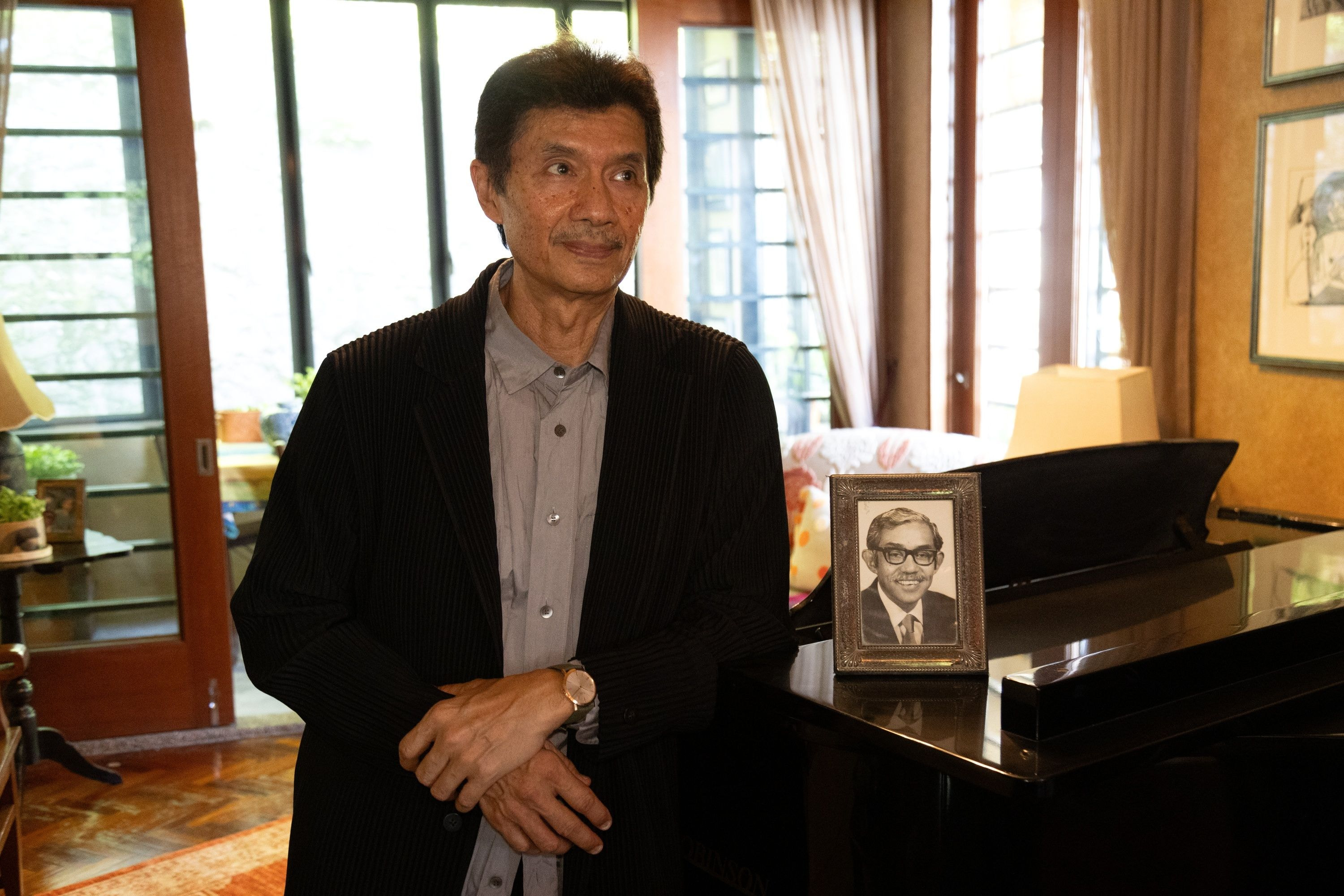
1. Your father - Tun Dr Ismail - public legacy continues to invite reflection on Malaysian leadership and character. Growing up as his son, how did that name shape your own sense of identity and responsibility?
It is an interesting question, and one I am still trying to understand myself. I suppose I am a hybrid individual. On the one hand, you cannot avoid inheriting the name that comes with being his son.
People are naturally curious, and eventually they discover who you are. In that moment of realization, their demeanor changes dramatically. Although you try to reassure them that you are the same person they met moments earlier, they have already placed you somewhere different in their memory.
Yet, as I quietly go about my life, I cannot help recalling childhood memories and flashbacks. I lived through important junctures in this country’s history that few witnessed or experienced firsthand. I saw what my father said, whom he met, how he conducted himself, and how people interacted with him. Reverence, respect, admiration, fear—those emotions were vivid and unmistakable. When such images are etched into memory, you cannot avoid being shaped by them. They subconsciously primarily guide my own personality and behavior. They remind me of the experiences I lived through, and of the person I cannot become even if I choose to become someone else.
2. Your father once said he was willing to do for the nation what he would not do for himself or his own family. How did that principle of noblesse oblige appear in private life, beyond the public record?
In the smallest, and perhaps funniest, moments, any Hari Raya hampers delivered to the house would be immediately sent away. The sender’s card, however, would first be collected and sent to the office. I cannot say what happened after that, but we never received another hamper from the same sender again. As a child, I would run after each hamper, begging for the English Cadbury chocolates to be left behind. To this day, I jokingly consider that act a form of childhood deprivation, as it denied me one of my few small pleasures.
There was an occasion when my eldest sister wanted to secure an educational scholarship from the government and thought my father would assist. He simply told her to apply like any other citizen, and that if she was deserving, she would receive the scholarship on her own merits.
The house we lived in on Jalan Maxwell, now Jalan Tun Ismail, was bought by my father. Although he was eligible for government housing after returning to the Cabinet in 1969, he did not take up the offer. He felt that, because he had the means to buy his own home, he should ensure his family had a roof over their heads if anything happened to him. His poor health at the time may have made that responsibility feel even more urgent.
I have heard stories of relatives asking for his help, but he would never take advantage of his position to meet such requests. He seemed far more at ease assisting perfect strangers than helping friends or relatives through his office.
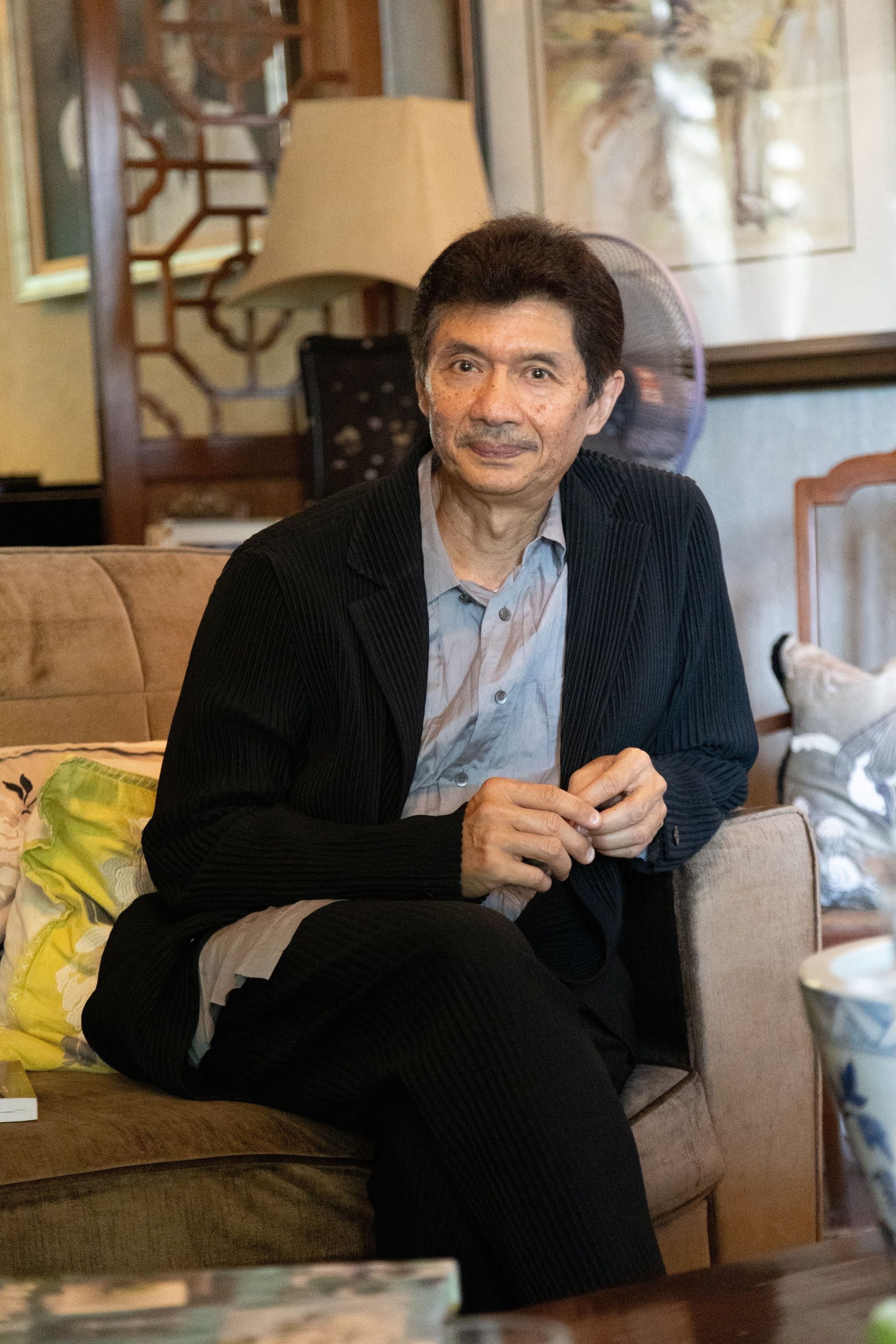

3. Tun Dr. Ismail is often remembered as a reluctant politician who accepted office as an obligation rather than a pursuit of power. Was that reluctance something he expressed directly, or was it reflected more clearly in his decisions?
There were occasions when he looked for people to step into positions of authority, yet many were reluctant to accept. Some even refused him outright. It was a sign of the times: to serve meant placing one’s reputation, trust, and conscience before the public.
Many felt the burden was too great. Others felt unqualified, or feared that public office would expose them to temptations that could compromise their integrity. Those eventually chosen were often teachers, because teachers were among the most respected members of society then.
Given his family background, I believe he was expected to serve. It was not presented as an option, even though he was a qualified doctor. On various occasions, he never hesitated to offer his resignation or step away from authority if he felt unable to agree with matters that troubled his conscience and principles.
It is interesting to wonder whether he would have returned to national service if May 13 had not happened. I suspect he might not have been remembered as strongly for his pre-1969 accomplishments had he remained outside the Cabinet. If there had been a referendum, many of his patients would likely have voted for him to remain their physician, and he would have been perfectly content with that.
Once, when we went with him to Weld Supermarket on Jalan Raja Chulan, my eldest sister asked whether any of us could join politics. He simply said it was “a dirty business” and encouraged us to focus on becoming professionals. I think he did not want any of us to build a career in politics without a backup plan, or to become beholden to the temptations that could come with it. Yet, despite that advice, he himself entered politics and served. It may seem contradictory, but I suspect he did not think we should inherit politics as a livelihood.
So, while he may be remembered as a reluctant politician, he nevertheless served willingly because it was expected of him. He came from a long family lineage known for service to the state and the country. To be honest, I do not think he had the luxury of choice, especially as one of the few educated, professional Malaysians of his time.
4. Tun Dr. Ismail’s reputation for discipline and principle was built over decades of public service. From your perspective, what did he believe distinguished genuine excellence from the appearance of it?
I suppose life was simpler in the time he lived. Everyone was busy carving out a future, the country was less prosperous, and there was far less abundance. Contracts were few and far between, public-private partnerships were rare, and the boundary between public service and private interest was clearer and less complicated.
Perhaps excellence was simply understood as serving the people to the very best of one’s ability, with little expectation of monetary reward beyond the respect of those who trusted you to do good without asking for much in return.
During his many road trips, people would line the roads from one village to the next, some waving the Jalur Gemilang, proud that their Member of Parliament and minister had not forgotten them. He made the effort to visit their homes, and they, in turn, welcomed him into their own. Their needs may have seemed simple, but their generosity was given with affection and abundance. To my father, this was not excellence performed for applause; it was simply what people expected of him because they had placed their trust and faith in him.
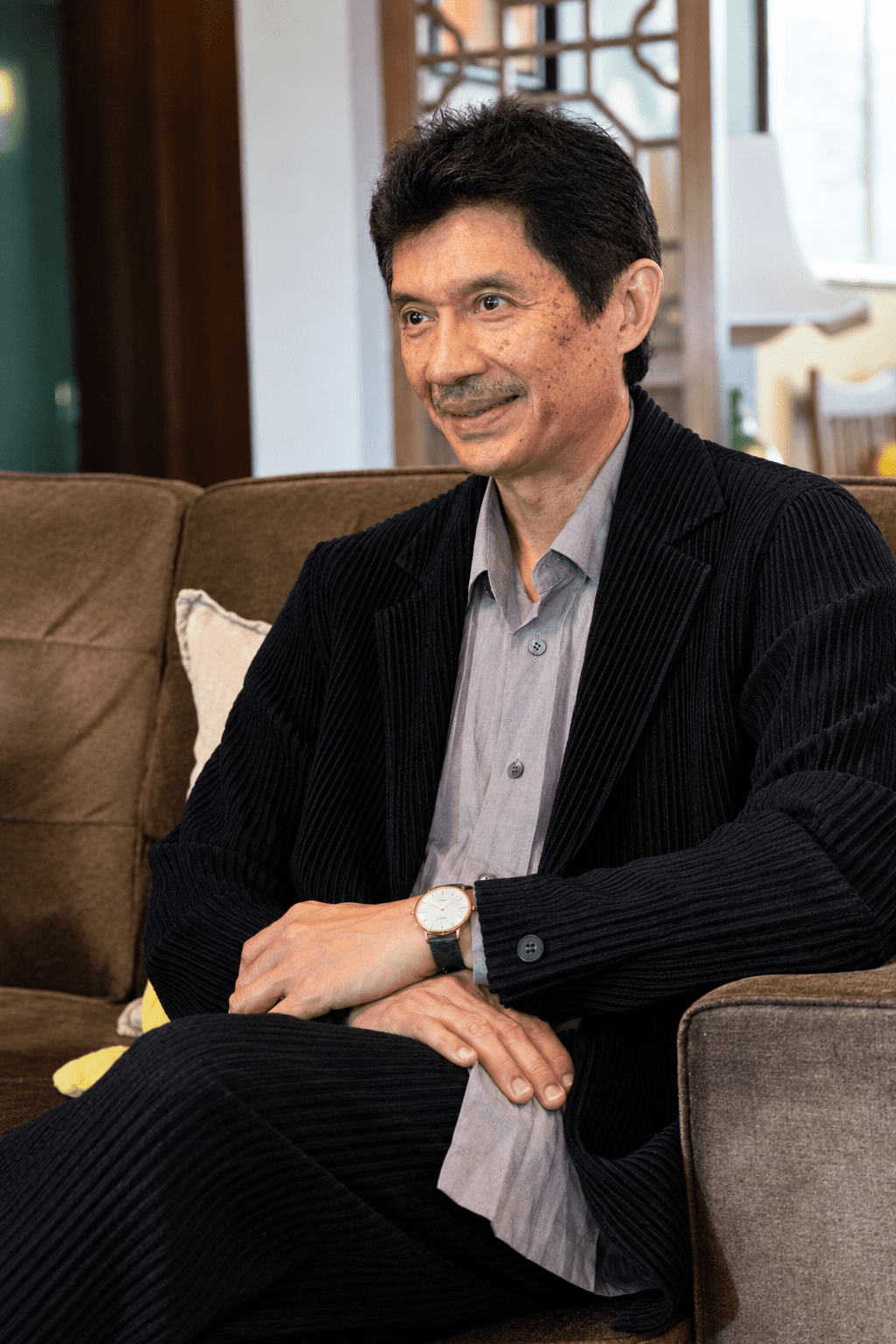
5. Public service in your father’s era carried personal costs that are rarely visible in historical accounts. What do you think he understood about service that remains relevant to public life today?
I think nation-building is a duty, not merely a service. Once you are given the privilege of serving your country, you must serve in the best way you can, with humility and seriousness of purpose. That privilege is bestowed by the many, and it exists for their benefit, not yours. Public life should never be understood as the people being fortunate to receive your service; rather, you are the one entrusted with the honour of serving them.
6. Your father was called Tonggak Perpaduan Negara, a title closely associated with national unity. What aspects of his approach to unity do you believe Malaysians should revisit today?
Unity was always the bedrock on which this country was built. I never once witnessed race being treated as the centre of controversy; rather, it was understood as part of the very foundation of nation-building. Leaders from across communities worked together passionately to make a multiracial Malaysia a reality.
There were occasions when members of the opposition came to our house after parliamentary sessions. One person I recall vividly was Dr. Tan Chee Khoon, fondly known as Mr. Opposition. Both he and my father were doctors, and although they would banter vigorously across the parliamentary aisle, in the quiet corners of our home they would advise, consult, and plan how to improve racial and class relations so that events such as May 13 would never again become a reality.
Diversity in culture and religion was not a weakness, but an essential ingredient in making Malaysia work. Where differences existed, they were discussed, and mutual resolution usually emerged to reinforce the complex, interwoven thread that held the country together. The Constitution preserved the rights and safeguards of this multiracial, multi-religious compact, and the Rukun Negara reminded us of the promises made to preserve the sanctity of nationhood.
Everything needed to preserve the nation-state had already been put in place by the time my father passed on. What we need to do today is remember, internalise, and protect the values our forefathers pledged to preserve.

7. As Malaysia marks Malaysia Day, how do you think your father would view the country today, and what values would he want Malaysians to carry forward?
Perhaps he would be deeply disappointed that the country has regressed in terms of inter-racial, religious, and customary tolerance. If he devoted himself after May 13 to preserving the nation-state that he and many others fought to build, he would be disappointed that we have not fully learned from those bitter and deadly lessons. Instead, we continue to repeat some of the very mistakes he helped resolve.
Having said that, he would be proud that the investment in educating our youth has created citizens who are acutely aware of the importance of remaining loyal and helping to build this blessed country. Democracy is thriving, even if it has caused confusion and sharpened differences. With the grace of the Almighty, Malaysians have still found ways to preserve the country, strengthen their conscience, and express their voice through the ballot box.
Democracy is a messy path, and certainly one that requires resolve and wisdom. The swing of the political pendulum today indicates that democracy is here to stay. The question is how we preserve democracy without setting fire to the fabric of nationhood.
A memory from that period captures the kind of humility and restraint he believed public life required.
There was a story once related to me by Tun Musa Hitam. Immediately after May 13, UMNO held its General Assembly. It was a time of reckoning, and many members were displeased with the party leadership. When the time came for my father to speak, he turned to Musa, who was then his aide, and told him to take the podium. He said no one wanted to hear him speak; they would rather hear someone who represented the future of the party and the country. That simple act of humility, and the willingness to step aside because the people demanded it, was not uncommon in those days, although it was rarely practised by many then and, unsurprisingly, remains rare today. Tun Musa once asked me: how do we find statesmen today who can hold the reins of stewardship at a time when the country needs them most?
8. Beyond his public role and historical record, what personal inheritance from your father continues to shape how you live, decide, and carry yourself?
I think it is the institutional memory arising from his actions and his record of service. That is simply a tough act to follow.
I am pleasantly surprised and deeply humbled whenever someone comes up to me and speaks of my father with reverence and admiration. Sometimes I feel puzzled and embarrassed, because these people are strangers who never lived with him, yet they still hold on to stories of an older Malaysia that was simpler, more harmonious, and deeply shaped by his deeds.
Indeed, his shadow is cast long and wide. I do not think he would have realized that he would still be remembered more than five decades after he left us, and he would certainly have been uncomfortable hearing such praise. His was a calling of service to the rakyat and the country. I believe those of his generation would not have hesitated to do it all again, because it was not a choice to ponder over; it was a duty and a noble cause for King, country, and people.
Given this overwhelming backdrop, I am constantly reminded of the history and legacy of the past. That remains my moral compass.
Tarmizi Tun Dr. Ismail is wearing Piaget Altiplano Origin watch, Altiplano Origin watch, 38 mm. Case in 18K rose gold. Sunburst white dial with hour-markers in rose gold and Piaget Coat of Arms. Calfskin strap in green. Manufacture 430P, ultra-thin hand-wound mechanical movement.
Watch G0A51500
----------