
03.07.2026

Unpopular Opinion: The real men's status symbol isn't on your wrist, it's this...

Forget the designer wardrobe, luxury watch, the bespoke car, the six-pack. Real men are judged by this instead..

Photo credit: @danialik @janetira/Instagram.


Words: Y.M. Tunku Sophia


Let me say the quiet part out loud: the greatest status symbol a man can carry is not strapped to his wrist, parked in his driveway, or moored at a marina. It is the happy, well taken care woman beside him.

That's it. That's the whole standard. Everything else is negotiation with your own insecurity, dressed up as taste.

I know this will ruffle feathers in certain circles. Circles where a man's worth is measured in complications per movement, in horsepower, in how many buttons close on a jacket he rented for the weekend. So let's talk about it properly.
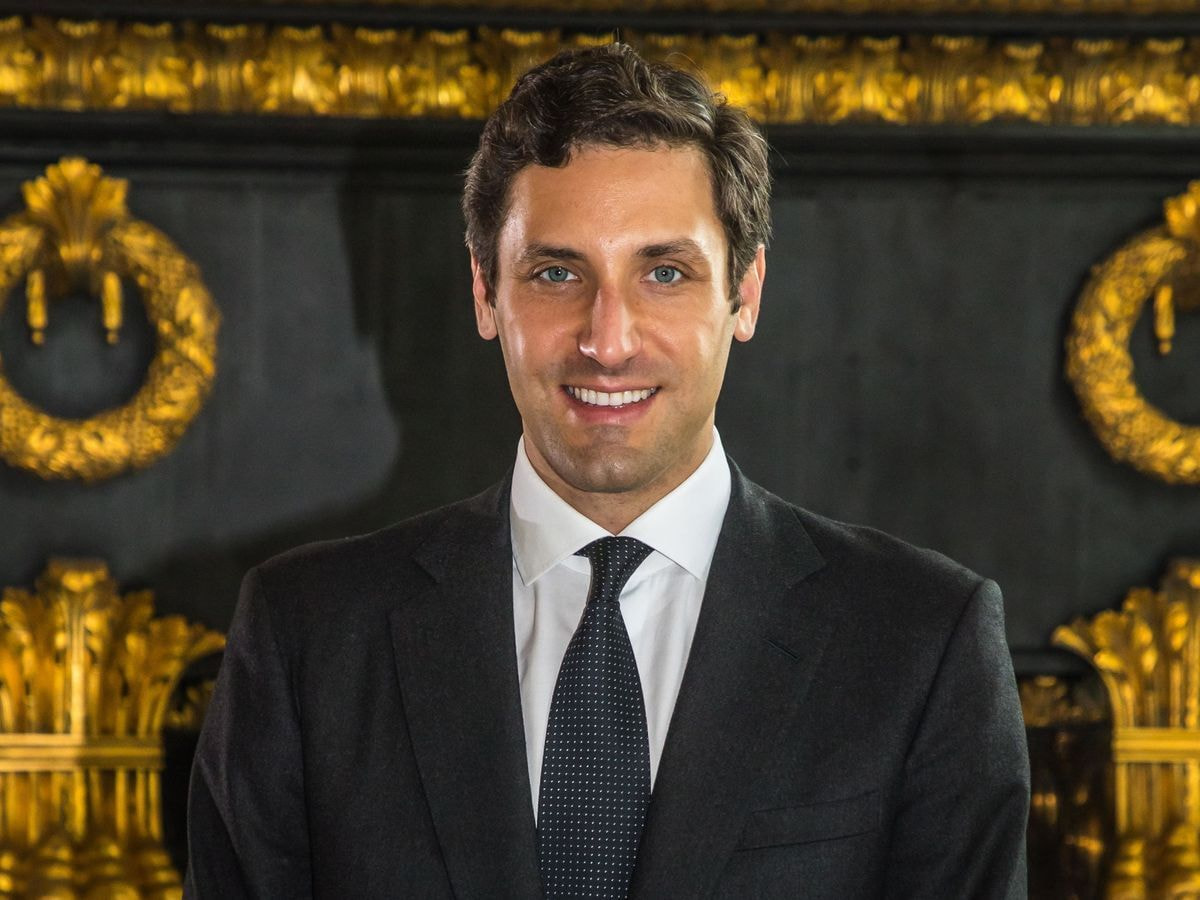

Photo: Jean-Christophe, Prince Napoléon | Photo credit: Getty Images


Supply, Demand, and the Myth of Luxury Possessions

Economics 101: scarcity creates value. A man who is generous, secure, and unbothered by the need to prove himself is, frankly, rare. A man with a nice watch is not. Anyone with a credit line and a showroom appointment can acquire a timepiece. Far fewer men can acquire the discipline to be consistently good to the people who trust them. A wife, a mother, a daughter, a business partner who never sees the invoice they quietly covered.

Women notice this immediately. We notice the man who tips well without announcing it, and we notice the one who makes a scene about the service being "beneath him." We notice the man who speaks about his wife with warmth in a room where she isn't present, and we notice the one who can't finish a sentence without a brand name in it. Supply and demand doesn't lie: the boastful man is common, the stingy man is common, and both are, in their own way, advertising the exact same insecurity. One flexes what he has. The other hoards what he has. Neither is secure enough to simply be.

The six-pack, the watch, the car, the peacock suit. None of it is status. It is inventory. And inventory, unlike character, can be repossessed.

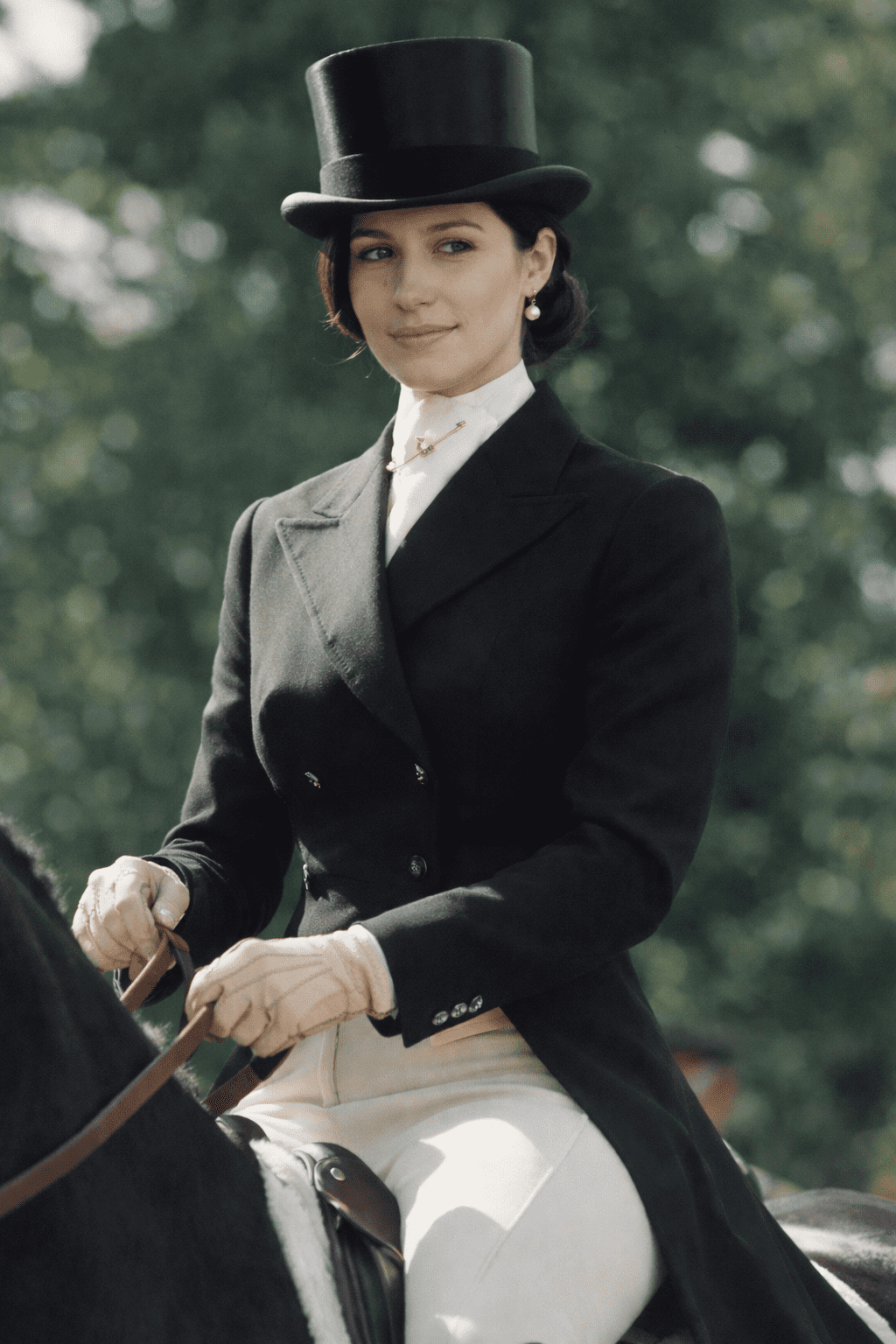
Photo credit: Tom Claeren


On Trying Too Hard

I'll admit my scepticism runs deep here, because I've seen the performance up close, in ballrooms and boat clubs alike. The double-breasted suit worn like armour rather than clothing. The "borrowed for the day" supercar angled just so for the photograph. The yacht that belongs to a friend of a friend, captioned as though it were inherited. None of this is inherently wrong. Enjoying beautiful things is not a character flaw. But trying too hard is a tell. It says: I need you to conclude something about me before you've had the chance to actually know me.

A man who is genuinely secure wears the suit because it fits well and he likes how tailoring feels. He drives what he can afford, or he doesn't drive at all, and either way he isn't performing for an audience of strangers he'll never see again. True elegance, the kind old money never has to explain, is almost bored by its own possessions. It is the newly insecure who narrate.

And here is the part that should sting a little: none of this luxury posessions moves the needle on what actually determines whether a woman respects a man long-term. What moves the needle is far less photogenic. It's whether he remembers what she said matters to her. Whether he's kind to her when no one is grading him for it. Whether his prioritising her first, before his ambition.

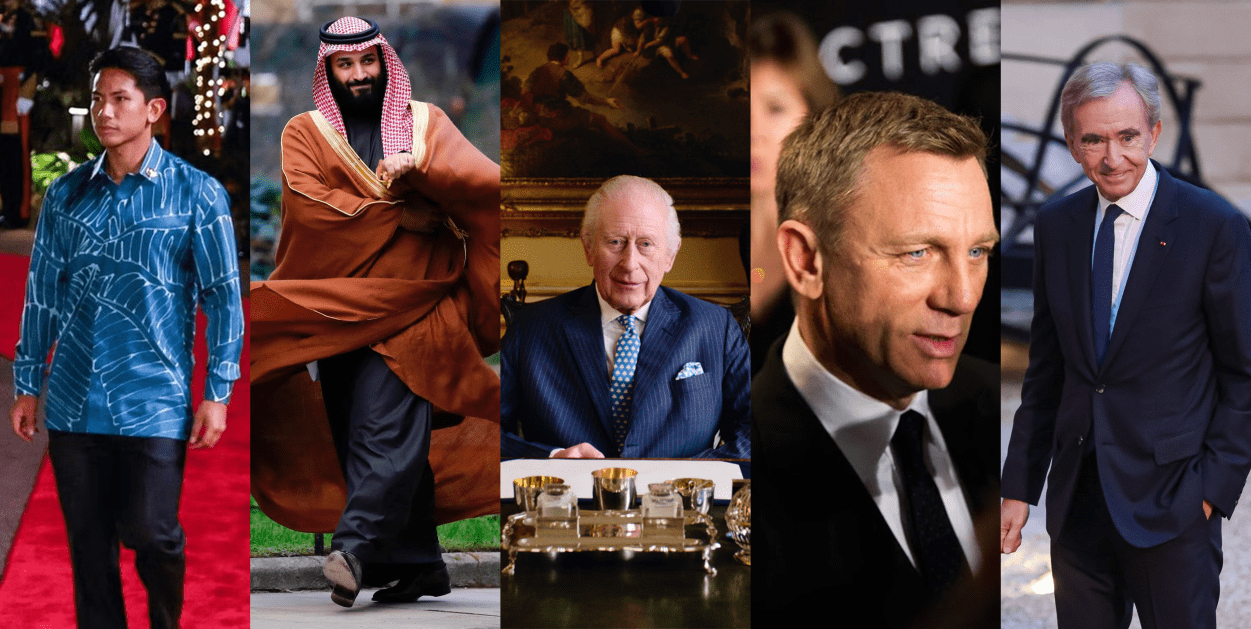
From L to R: HRH Prince Abdul Mateen, Prince Mohammed bin Salman Al Saud, King Charles III, Daniel Craig, Bernard Arnault.


The Instinct

There is an old instinct, one that predates influencer culture by centuries, that understood status differently. In the courts my family traces its lineage through, a man's standing was never simply about what glittered on his person. It was about the household he kept, the loyalty he inspired, the dignity with which he treated those who had no power to reward him for it. A ruler's true measure was not his regalia. It was whether his people, and his household, flourished under his hand.

That instinct hasn't disappeared. It has simply been buried under decades of luxury marketing that convinced men their worth is a subscription service. Always one purchase away from complete. But watch the men who actually command a room without trying. They are rarely the loudest dressed. They are the ones whose partners look at them with something that can't be staged for a camera: ease. Trust. The specific calm of a woman who has never once had to wonder if she is cared for.

That is not a low bar. It is, in fact, the highest one because it cannot be bought off the shelf, financed, or rented for an evening. It has to be built, daily, in rooms with no witnesses.

The Standard, Stated Plainly

So here is my unpopular opinion, stated without apology: if you want to know what a man is really worth, don't look at his designer clothes, swiss watches, or Italian cars. Look at his wife. Look at whether she is well, whether she is radiant, whether she carries herself like a woman who is genuinely cherished rather than merely provided for. That is the ledger that cannot be faked with a rental agreement or a good lighting angle.

The Prophet Muhammadsaid it more simply than any brand ever could: "The best of you are those who are best to their wives."

Everything else, the watches, the cars, the double-breasted flex of it all is just noise competing with a standard that was set, and settled, a very long time ago.

About the Author

Y.M. Tunku Sophia

Tunku Sophia brings a rarefied sensibility to GC, where her role as Editor-at-Large extends far beyond editorial finesse. She is both a custodian of heritage and a tastemaker of modern refinement - navigating the intersections of nobility, intellect, and global sophistication.

Educated in Europe and raised amidst the protocols of international diplomacy, Tunku Sophia has cultivated a lifelong devotion to the codes of high society - those unwritten rules that govern elegance, discretion, and true class.

Her editorial lens champions a revival of chivalry in a world increasingly enamoured with the superficial. Whether spotlighting princely heirs who exude understated gravitas or offering unflinching critiques of nouveau extravagance, Tunku Sophia remains committed to the pursuit of timeless values in an age of fleeting trends.

Related posts