
07.10.2026

Gestures from HRH Tengku Hassanal Ibrahim Alam Shah that taught a nation manners

A graceful lesson in Malay royal manners and budi.
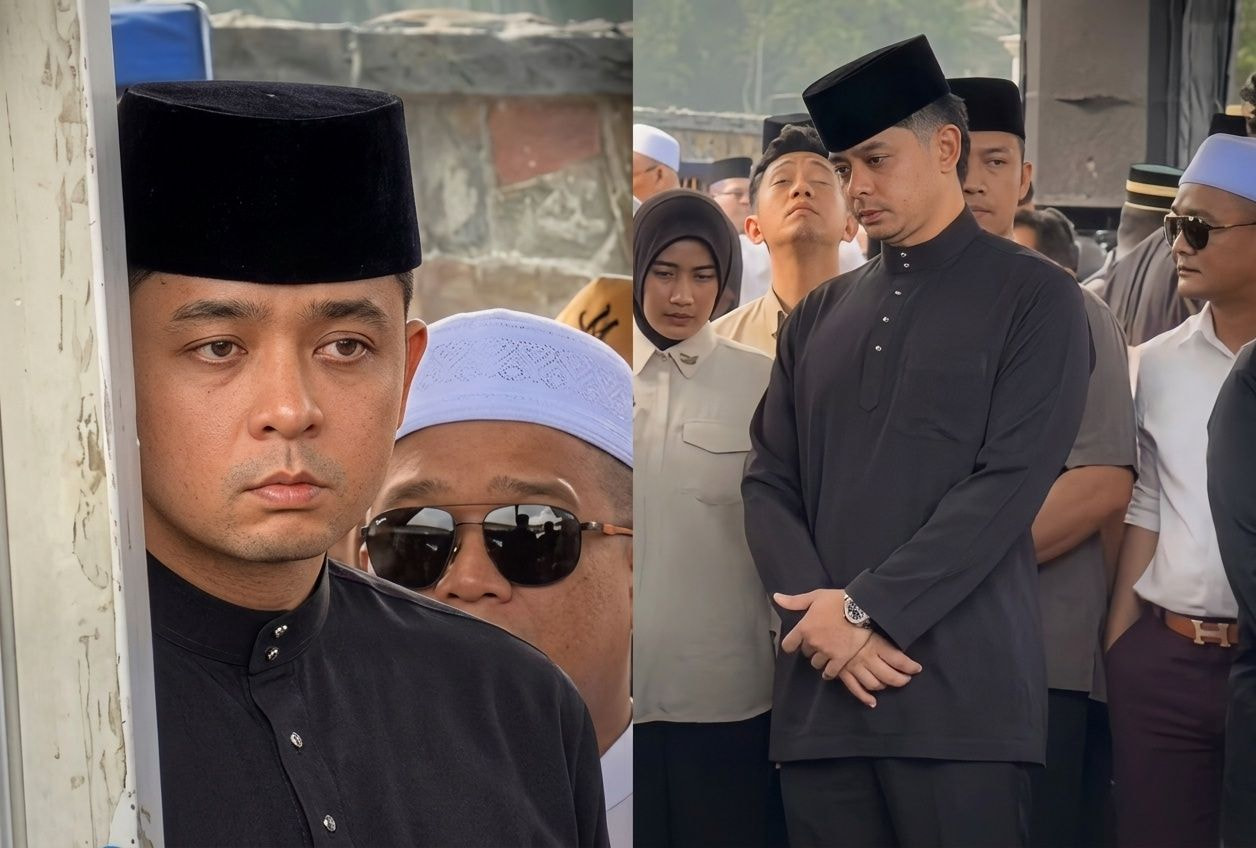
Kebawah Duli Paduka Mulia Tengku Mahkota Pahang, Tengku Hassanal Ibrahim Alam Shah.


Words: Y.M. Tunku Sophia


What does a crown prince choose when every chair in the room is his for the taking?

I smile each time I think of it, because the answer arrived so gently during the days of remembrance for Tun Siti Hasmah. Many of us watched with full hearts. My eyes were drawn to two small moments, so quiet that a hurried glance might have missed them, and yet they taught me more about courtly manner than a shelf of books.

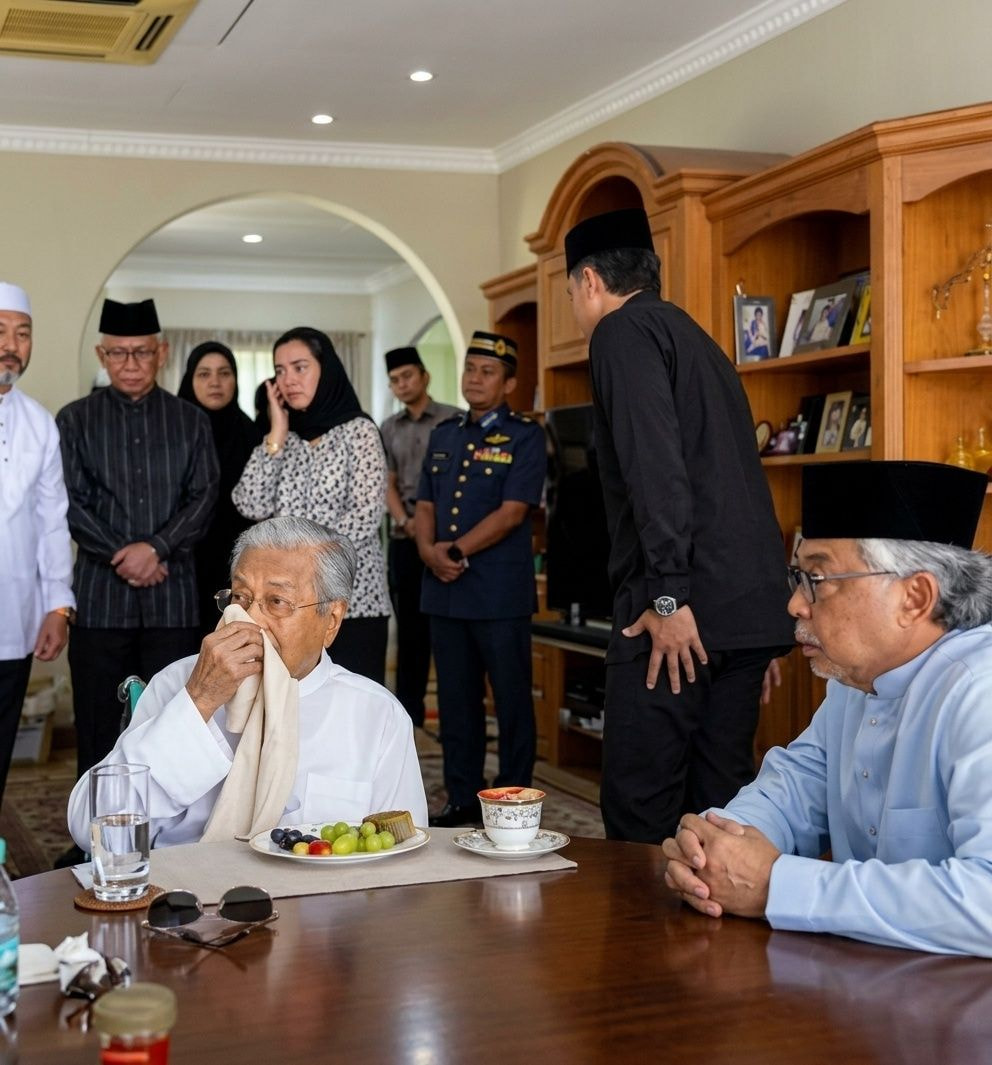
The first took place at a dining table. His father was in warm conversation with Tun Dr Mahathir. Kebawah Duli Paduka Mulia Tengku Mahkota Pahang, Tengku Hassanal Ibrahim Alam Shah arrived and first sought his father's permission before taking his seat, as the custom of Diraja graciously asks. Moments later, his mother, Tengku Ampuan Pahang, joined the table. He rose at once and offered her his place, with a gentle smile and a lowered gaze, content that the gesture belonged to the family alone.
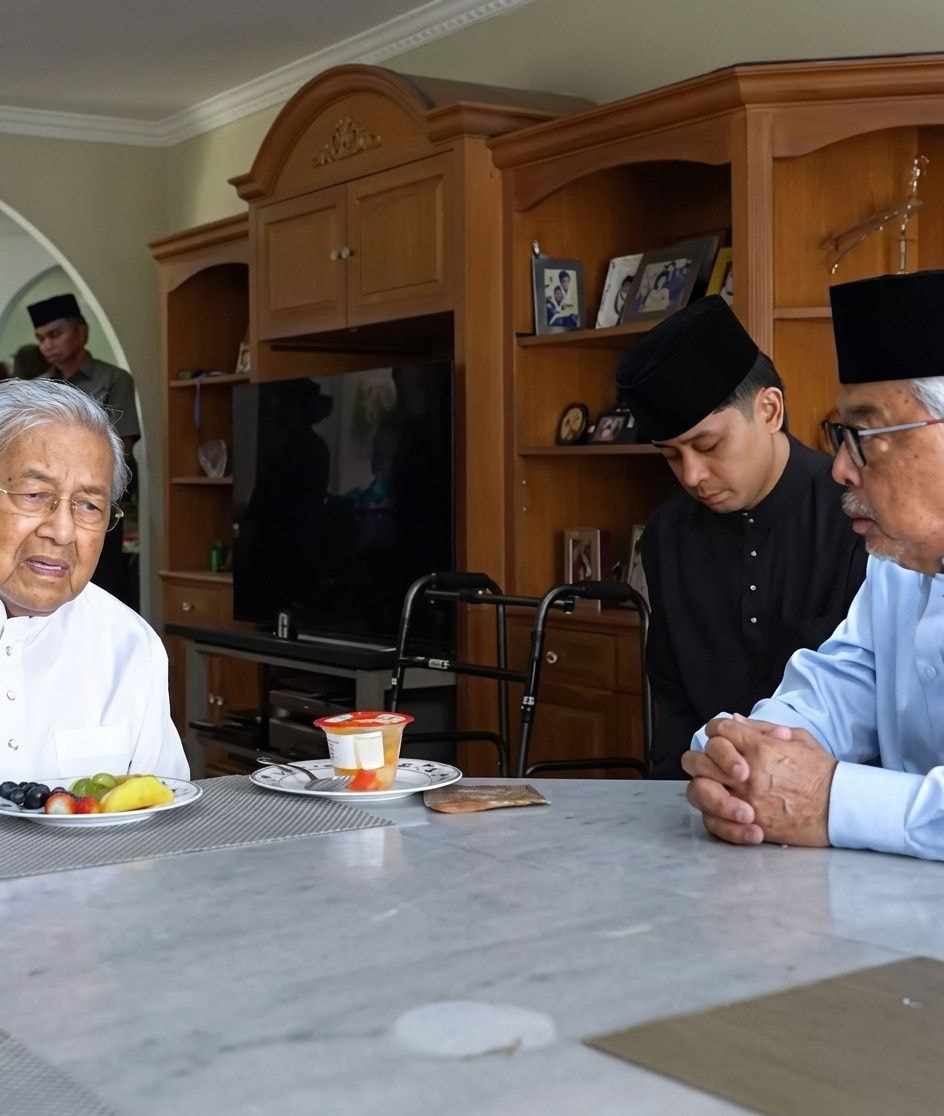
Tun Dr Mahathir shared his reflections on the passing of the late Tun Dr Siti Hasmah as the Sultan of Pahang, Al-Sultan Abdullah, and Tengku Hassanal Ibrahim Alam Shah paid a visit and offered their final respects.


The second moment came at the graveside. Chairs stood ready beside the family, and the one next to his mother was surely his to claim. He chose instead to stand near a tent pole, at a respectful distance. When a kind voice invited him to sit, he thanked it warmly and remained where he was, standing with the dignity of one who knows exactly where he belongs.

Each moment was a whisper. That, I think, is its beauty.

Our ancestors wrote of the anak majlis, the child of the assembly. In the old manuscript Adat Raja-Raja Melayu, Kapitan Zainuddin describes such a person as one who humbles himself and lets others be raised. His measure is moderation in all things: his speech, his dress, his table, his journeys, his place in the room. The old text calls it being "self-serving" in the oldest and sweetest sense, a person who lights his own way and is happy with the glow.

I thought of that passage as I watched him. A prince born between two thrones, grandson of the late Sultan of Pahang and of the Sultan of Johor, and nephew of the reigning Yang di-Pertuan Agong, chose the pole over the chair. The chair would have been entirely proper. He chose the place that asked the least of everyone else, and I found that so lovely.

Tun Dr Mahathir shared his reflections on the passing of the late Tun Dr Siti Hasmah as the Sultan of Pahang, Al-Sultan Abdullah, while Tengku Hassanal Ibrahim Alam Shah gracefully exit the room.


What delights me most is that this grace was taught. In his mother's household, children learned to step aside while elders speak and to join only when called. Many of us received the same lesson in our own childhoods, and it is a joy to see it still handed down, tenderly and quietly, within a palace.

There is a generous truth here for every family. Courtesy belongs to the crown, the title and the purse alike, and equally to the modest home. Children of humble homes carry it beautifully, and so do children of grand ones. Whatever the household, it is carried by parents who taught it patiently and lived it in front of their children. A child is a mirror of his parents, and what he shows the room was first shown to him at home.

To the readers of GC, I offer this with a smile. The gentleman we celebrate in these pages is defined by the moment he rises when someone he loves enters. He is shaped by the seat he leaves for another and the invitation he receives with gratitude. Budi, that ray of discernment our elders cherished, shines most brightly in small choices made when the room is quiet.

With heartfelt thanks to the Sultan of Pahang and Tengku Ampuan Pahang, for giving our community a living example of a child raised with high manners and a noble heart.

So, what does a crown prince choose when every chair is his?

He chooses what he learned long before the room was watching, and that, dear reader, is a secret the pole has kept very well.

About the Author

Y.M. Tunku Sophia - EIC

Tunku Sophia brings a rarefied sensibility to GC, where her role as acting Editor-in-Chief extends far beyond editorial finesse. She is both a custodian of heritage and a tastemaker of modern refinement - navigating the intersections of nobility, intellect, and global sophistication.

Educated in Europe and raised amidst the protocols of international diplomacy, Tunku Sophia has cultivated a lifelong devotion to the codes of high society - those unwritten rules that govern elegance, discretion, and true class.

Her editorial lens champions a revival of chivalry in a world increasingly enamoured with the superficial. Whether spotlighting princely heirs who exude understated gravitas or offering unflinching critiques of nouveau extravagance, Tunku Sophia remains committed to the pursuit of timeless values in an age of fleeting trends.

Related posts