
16.08.2025
The role of tradition: Old Money values that still define a cultured life
Beyond trends, tradition anchors the cultivated life. Discover how Old Money customs preserve elegance, stability, and enduring legacy across generations.
Words: Byron Tully
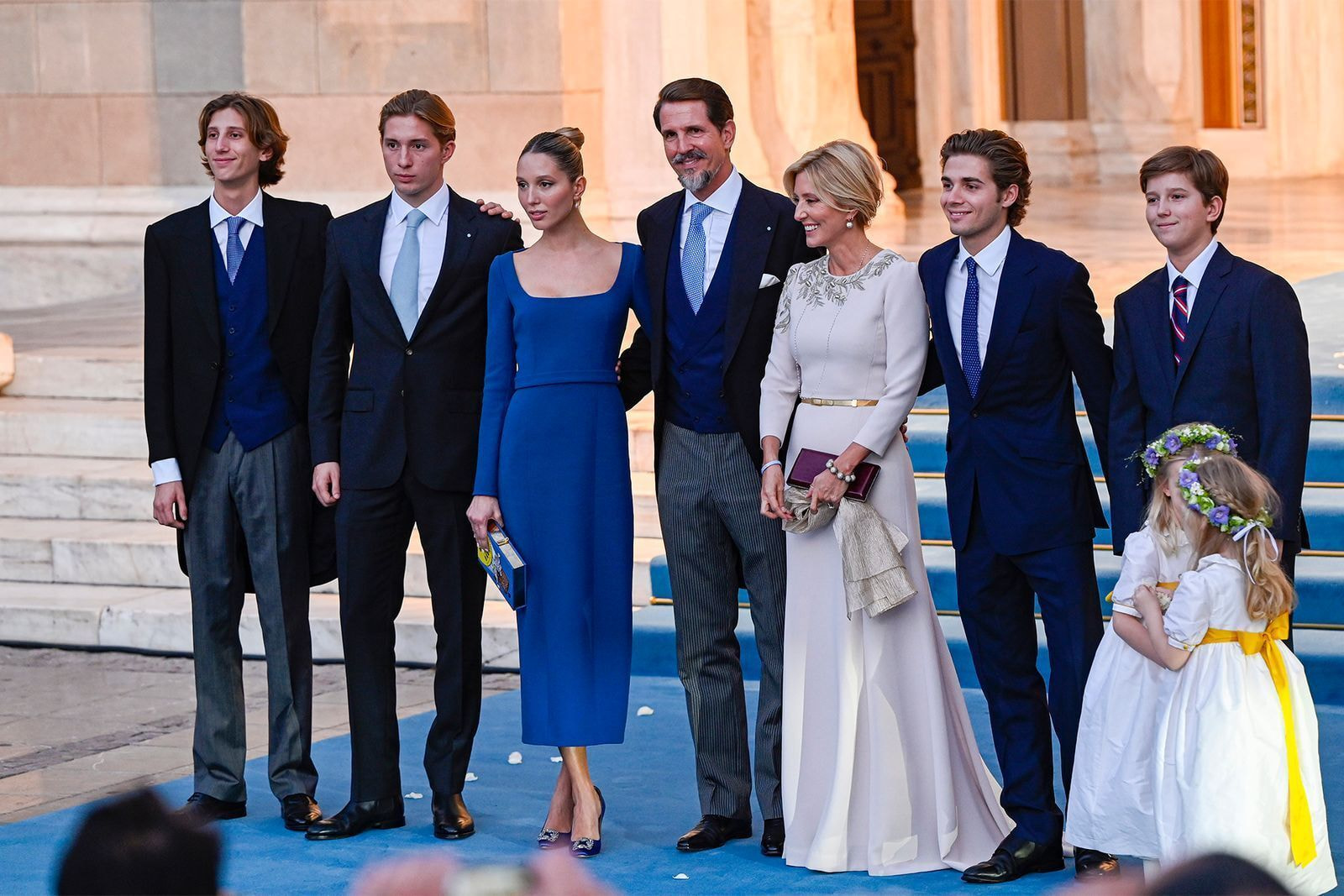
Photo: Prince Achileas-Andreas, Prince Aristidis Stavros, Crown Prince Pavlos, Crown Princess Marie-Chantal, Prince Constantine Alexios and Princess Maria-Olympia Milos Bicanski/Getty Images
(photo for illustration only)
In this digital age, it’s understandable that we feel overwhelmed by innovation and invention. We hardly become accustomed to one version of an iPhone when another version is released and relentlessly promoted. Software updates ding on our screens with annoying regularity.
In a way, however, the constant infatuation with novelty is really nothing that new. American capitalism has always promoted the latest as the greatest. More broadly, change is often mistaken for progress.
It is only after some reflection and a little regret that we realize that the ‘original’ was better than the ‘new and improved’. That ‘change’ wasn’t for the better. And more to my point, that a particular tradition that we’ve grown weary of, discounted, and discarded was a tradition for a reason.
Drawing attention to the fact that certain traditions have importance beyond the ceremonial, that they have enduring value and importance in our lives, is, you know, kind of my job.
This value outweighs the predictable routine and sometimes numbing obligation of a tradition. The repetition and sometimes dull nature of a tradition may lull less-enlightened minds to sleep. These same attributes may offer stability and comfort to others. Regardless, the most important things that a tradition can do are to inform, improve, and reinforce.