
23.06.2026

My Royal Nemesis on Netflix review: When the courtly manner never truly left

Tunku's verdict on My Royal Nemesis, Netflix's most addictive K-drama of 2026 and what this TV series says everything about noblesse oblige, third-generation privilege, and the aristocratic values the modern world quietly craves.
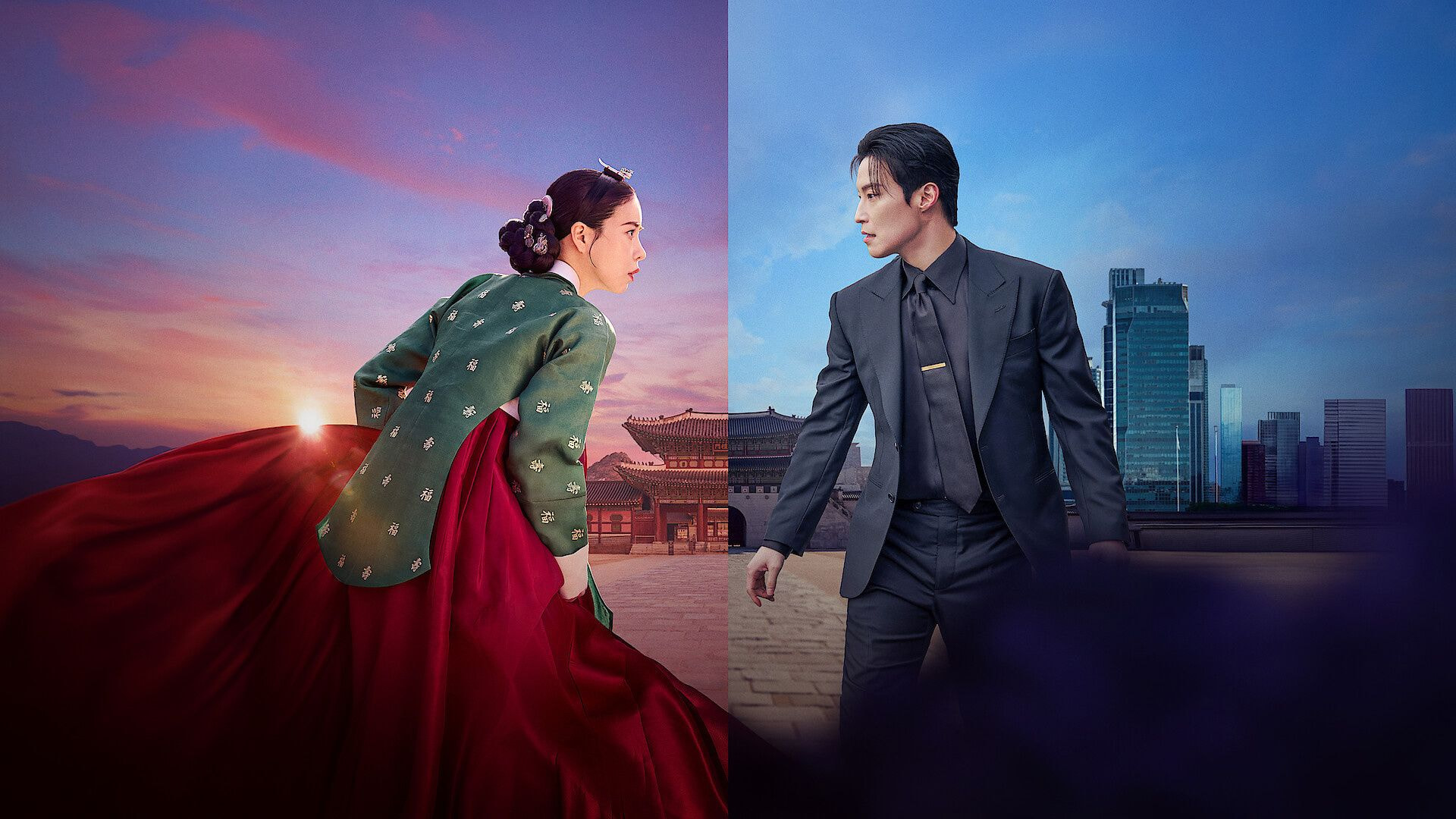
Photos courtesy of Netflix.


Words: YM Tunku Sophia


Dear readers of Gentleman's Code, and I do mean dear, for you have been faithful in your patience. I owe you an apology before I owe you an opinion. It has been far too long since I last sat at this desk and committed my thoughts to these pages. Life, as it tends to do for those of us who refuse to slow down, moved with the tempo of a horse at full canter. But I return now, and I return with something worth the wait.

I have spent the better part of a fortnight glued to Netflix, which is quite a sentence for someone of my persuasions. Yet here we are. My Royal Nemesis, the Korean drama series that premiered on SBS in early May and simultaneously conquered Netflix's global charts, did something I have experienced rarely in years of rather discerning television watching: it hooked me through principle.

Let me explain precisely what I mean, because this is a review of ideas as much as it is a review of a charming K-drama. This is an observation about why certain stories resonate with those of us raised to believe that conduct is the truest form of inheritance.
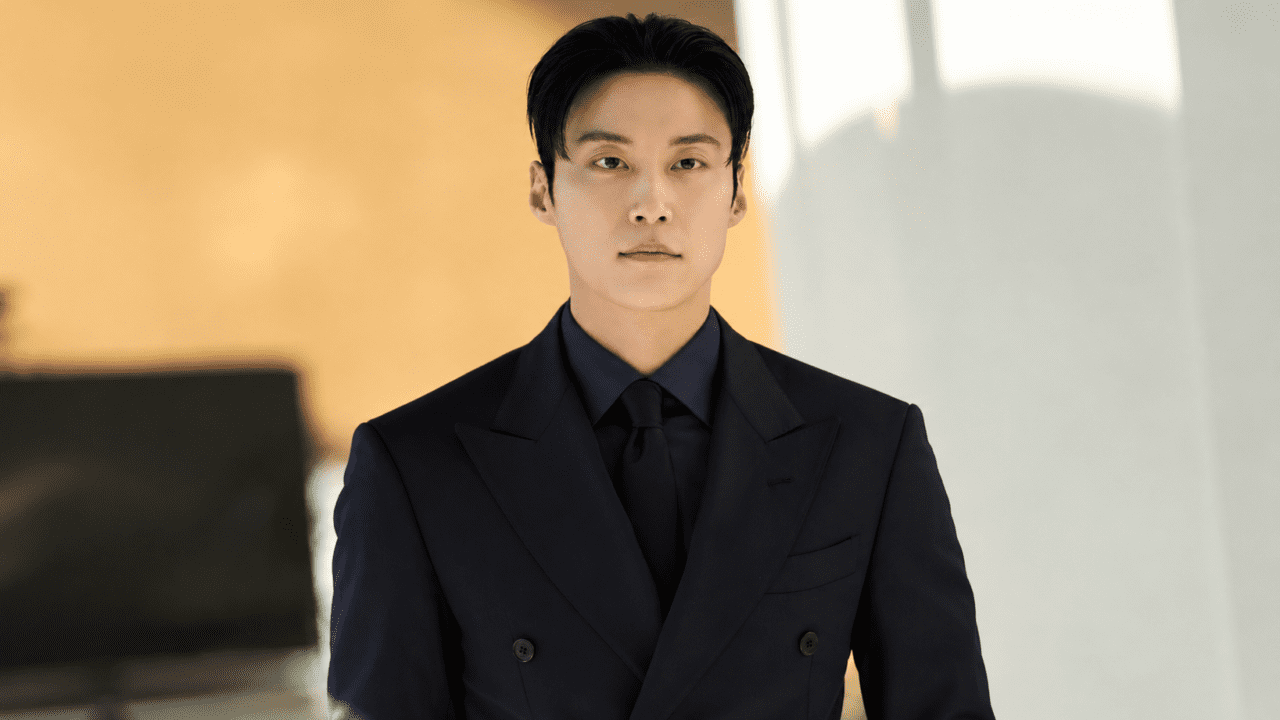
Heo Nam-jun as Cha Se-gye, a third-generation chaebol heir to Chail Group and CEO of Biojei, he is known as a "monster of capitalism".


The Hook: Noble Values in a Streaming Age

The male lead, Cha Se-gye, is a ruthless third-generation chaebol heir who is used to getting his way, and here is where the series quietly becomes something more than its rom-com classification suggests. The "third generation" framing carries with it the entire weight of what the aristocratic tradition understands as noblesse oblige: the burden, the expectation, and ultimately the honour, of those born into privilege. The third generation is always the crucible. The first builds, the second inherits, the third either elevates or squanders. Cha Se-gye begins as a man of position still growing into the character his lineage demands. Watching him find his footing in the presence of a woman who answers to nothing less than court-worthy standards is, quietly, a meditation on what chivalry demands of men who have been given much.

This is the thread that held me. The time-travel conceit is executed with considerable wit, certainly. But the series keeps asking, in the language of comedy and romance, a question far older: Does a man's bloodline obligate him, or liberate him?

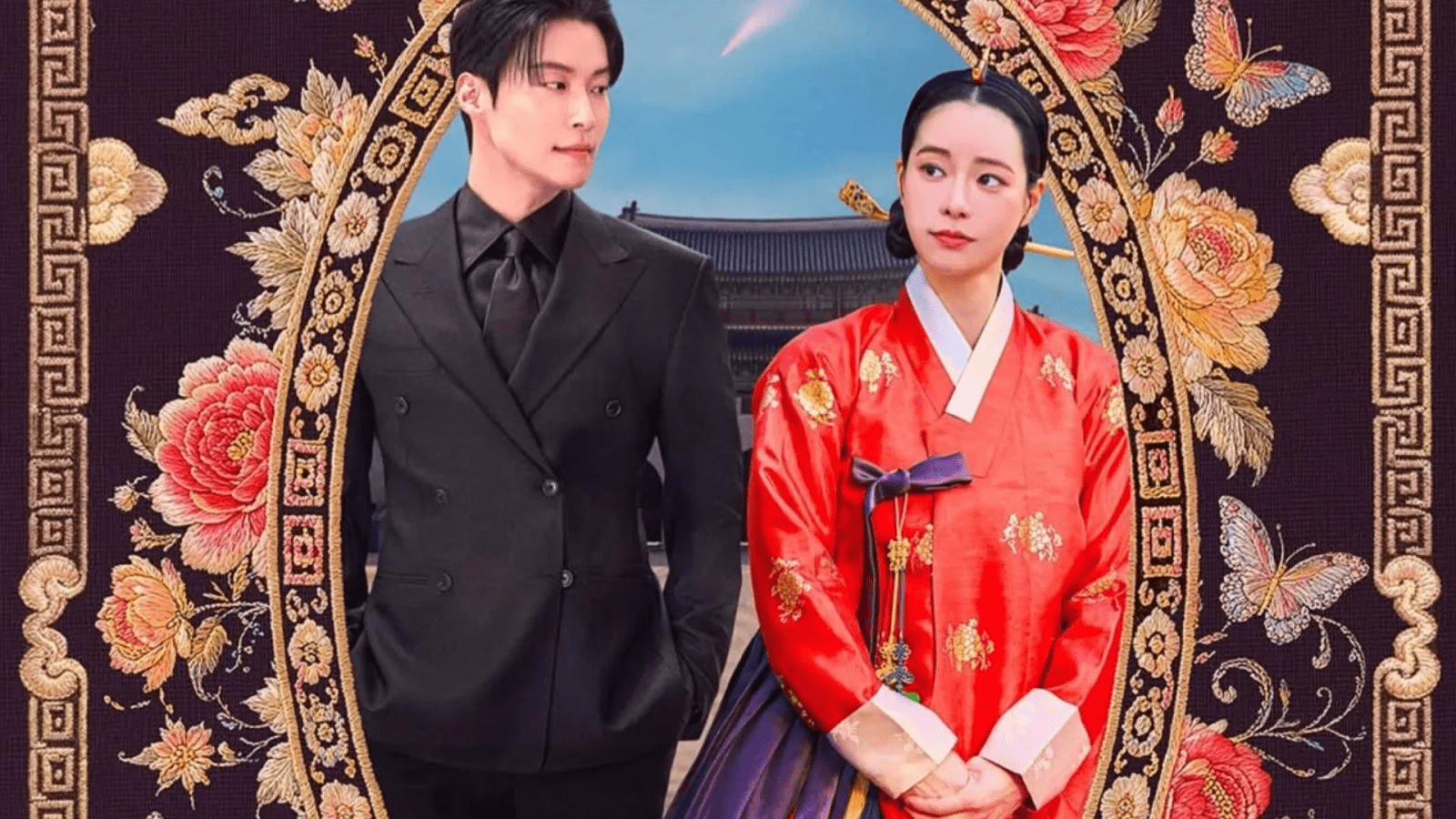
Cha Se-gye and Kang Dan-shim.


The Romantic Absurdity of a Dynasty in a Republic

During the Joseon dynasty, Kang Dan-shim gains notoriety at court for her cunning and ambition. Through manipulation and intellect, she ascends to the rank of royal concubine, and in the 6th year of King Anjong's reign, she died after being forced to drink the poison bowl. Her soul awakens three centuries later in the body of a struggling actress filming a historical drama. The irony is perfectly layered.

Here is what makes this premise so unexpectedly romantic to those of us with feeling for dynastic history: South Korea is a republic. The Yi dynasty, the Joseon royal house, fell in 1910. The king has been absent from Seoul for over a century, the court dissolved, the concubine ranks retired to the history books. And yet, a Joseon-era villain doomed to die opens her eyes in modern-day Seoul, where a ruthless chaebol heir may be her last chance to rewrite her fate. The dynasty lives on, transplanted into the glass towers and boardrooms of a capitalist republic, with chaebols as the new aristocracy and ambition as the new court currency.

For those of us who understand the strange persistence of hierarchy, how it shape-shifts, re-clothes itself in modern tailoring, and continues to govern, there is something profoundly true in this. Royalty transforms. It merely changes its address.

The Plot

Kang Dan-shim's death triggered a shaman's spell, causing unnatural events: midsummer frost and a total lunar eclipse. The supernatural staging is operatic and entirely fitting for a woman of her stature. When she awakens in 2026 inhabiting the body of actress Shin Seo-ri, the collision is magnificent. A woman accustomed to navigating the treacheries of court intrigue suddenly thrust into the treacheries of celebrity culture. Her weapons remain the same: razor intelligence, unyielding composure, the ability to read a room. Only the battlefield has changed.

Critics lauded the series for its active and self-determined female protagonist, describing Kang Dan-shim as one of the more proactive time-travel characters in recent Korean dramas, and the assessment is accurate. Dan-shim is a woman of class-conscious who refuses to be diminished by any century. Her love-hate dynamic with Cha Se-gye crackles precisely because she refuses to be impressed by his wealth. She has dined with kings.

The episodes are fast-paced and genuinely funny, sustaining their central argument across fourteen episodes: that character, rather than rank or money or bloodline alone, is what determines whether a person is truly noble.

Heo Nam-jun as Cha Se Gye, is always impecabbly well-dressed.


The Wardrobe

One watches a Joseon court drama with elevated expectations of costuming, and My Royal Nemesis rises magnificently to the occasion. Transitioning seamlessly from majestic traditional Joseon court garments to edgy contemporary styles, Lim Ji-yeon showcases an impressive era-bridging fashion sensibility right from the beginning.

The court sequences are resplendent. The hanbok worn by the concubine ranks, silk layered upon silk, colours calibrated to communicate status at a single glance, remind the viewer that before Western tailoring codified power dressing, East Asian courts had already mastered sartorial hierarchy with extraordinary precision. In Joseon, you wore your rank. Every fold, every embroidered motif, every shade of crimson or jade told the court exactly who you were and how close you sat to the throne.

The modern wardrobe is equally considered. Dan-shim in a contemporary body dresses like a woman who is already, perpetually, the most important person in the room. Sharp silhouettes, structured pieces, an imperious posture that only an actress of Lim Ji-yeon's calibre could carry with such authority. The wardrobe team understood that for this character, clothing is armour, and armour should always be beautiful.

The Verdict

The series ranked number one in Netflix's Top 10 Non-English shows globally in its first week, with 3.9 million views, and trended in the top ten in 44 countries worldwide. The numbers are impressive, though for readers of this publication, what matters is whether a thing is worth one's time. And this is.

My Royal Nemesis will appeal to the Gentleman's Code reader because of what it understands about the universal grammar of class: that privilege without character is merely cosplay, that the third generation carries a debt to the first, and that true nobility, whether in a Joseon court or a Seoul penthouse, has always been a matter of how one behaves when the eyes of the court are elsewhere.

Stream it. And bring your most aristocratic sensibilities with you.


My Royal Nemesis is now available on Netflix nationwide.

About the Author

Y.M. Tunku Sophia

Tunku Sophia brings a rarefied sensibility to GC, where her role as Editor-at-Large extends far beyond editorial finesse. She is both a custodian of heritage and a tastemaker of modern refinement - navigating the intersections of nobility, intellect, and global sophistication.

Educated in Europe and raised amidst the protocols of international diplomacy, Tunku Sophia has cultivated a lifelong devotion to the codes of high society - those unwritten rules that govern elegance, discretion, and true class.

Her editorial lens champions a revival of chivalry in a world increasingly enamoured with the superficial. Whether spotlighting princely heirs who exude understated gravitas or offering unflinching critiques of nouveau extravagance, Tunku Sophia remains committed to the pursuit of timeless values in an age of fleeting trends.

Related posts