
20.09.2026
Kudrat 1968: High Council and the secret that has Malaysia talking
Kudrat 1968: High Council has created a bold universe that Malaysians simply cannot stop talking about: royal lineage, elite boarding school culture, class divides, the spirit of a Napoleon-esque turning point, and a code passed down from one generation to the next.
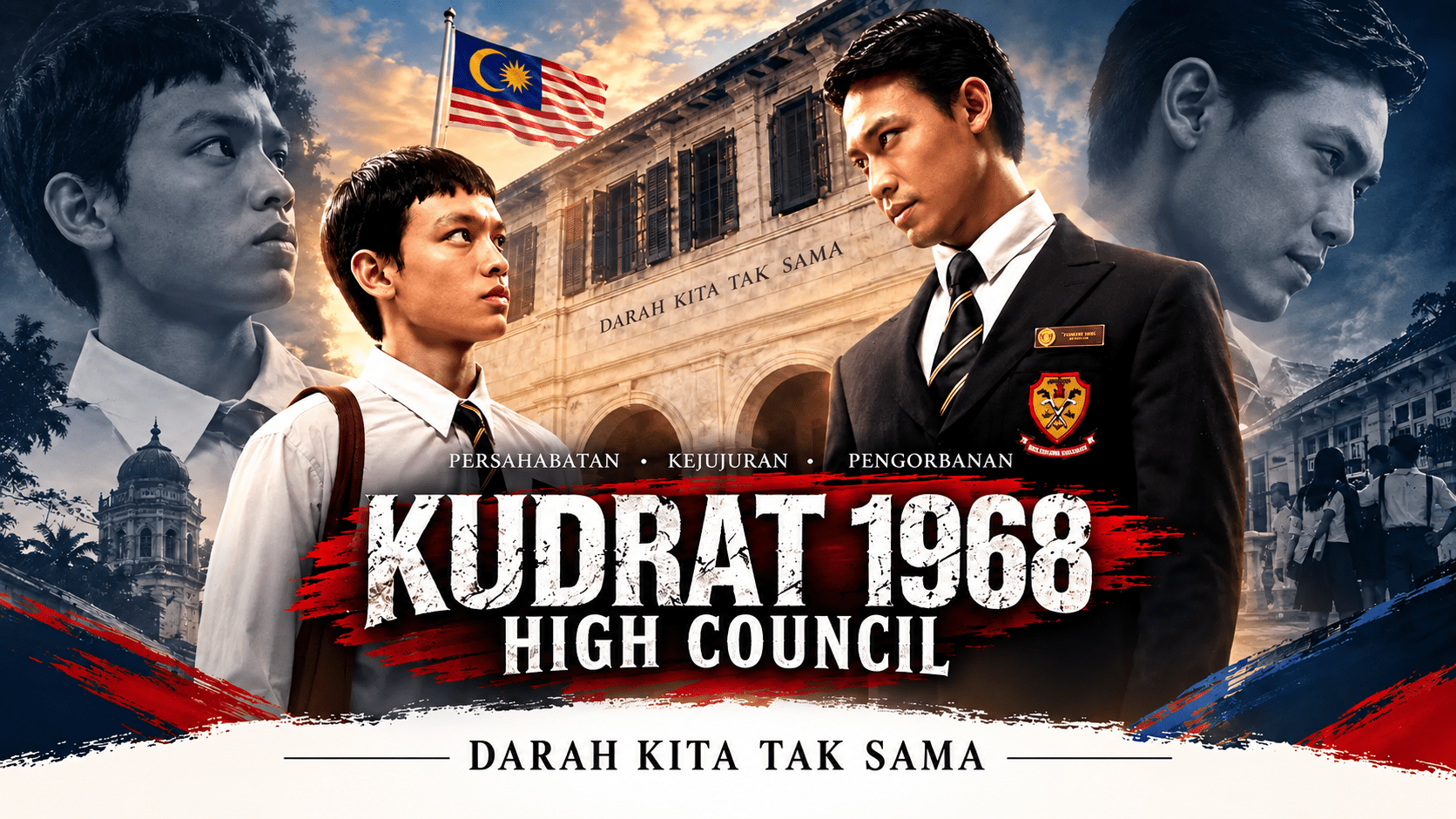
GC Illustration.
Words: YM Tunku Sophia
Would you entrust your future to a tradition that was handed to you?
That question sits at the centre of Kudrat 1968: High Council, the four-episode prequel series that premiered on 11 September across Astro platforms and Netflix. Malaysia keeps talking about it, from family dinners to social media threads to group chats, and nearly every conversation begins with the same wide-eyed word: wow. Friends message each other mid-episode, and viewers pause the screen just to share a reaction.
The franchise already made history once. Projek: High Council became Astro's number one on-demand show of all time and gathered over a billion views on social media. Now the story rewinds to 1968, to the very first chapter of this world, and what it uncovers is jaw-dropping. The prequel welcomes fresh viewers and loyal fans alike to see how everything began, and the excitement is contagious.
What makes the moment so special is the sense of arriving at the source. Fans who spent years admiring the High Council legend now witness the days when its first bricks were laid, and every familiar phrase gains a deeper, richer meaning.
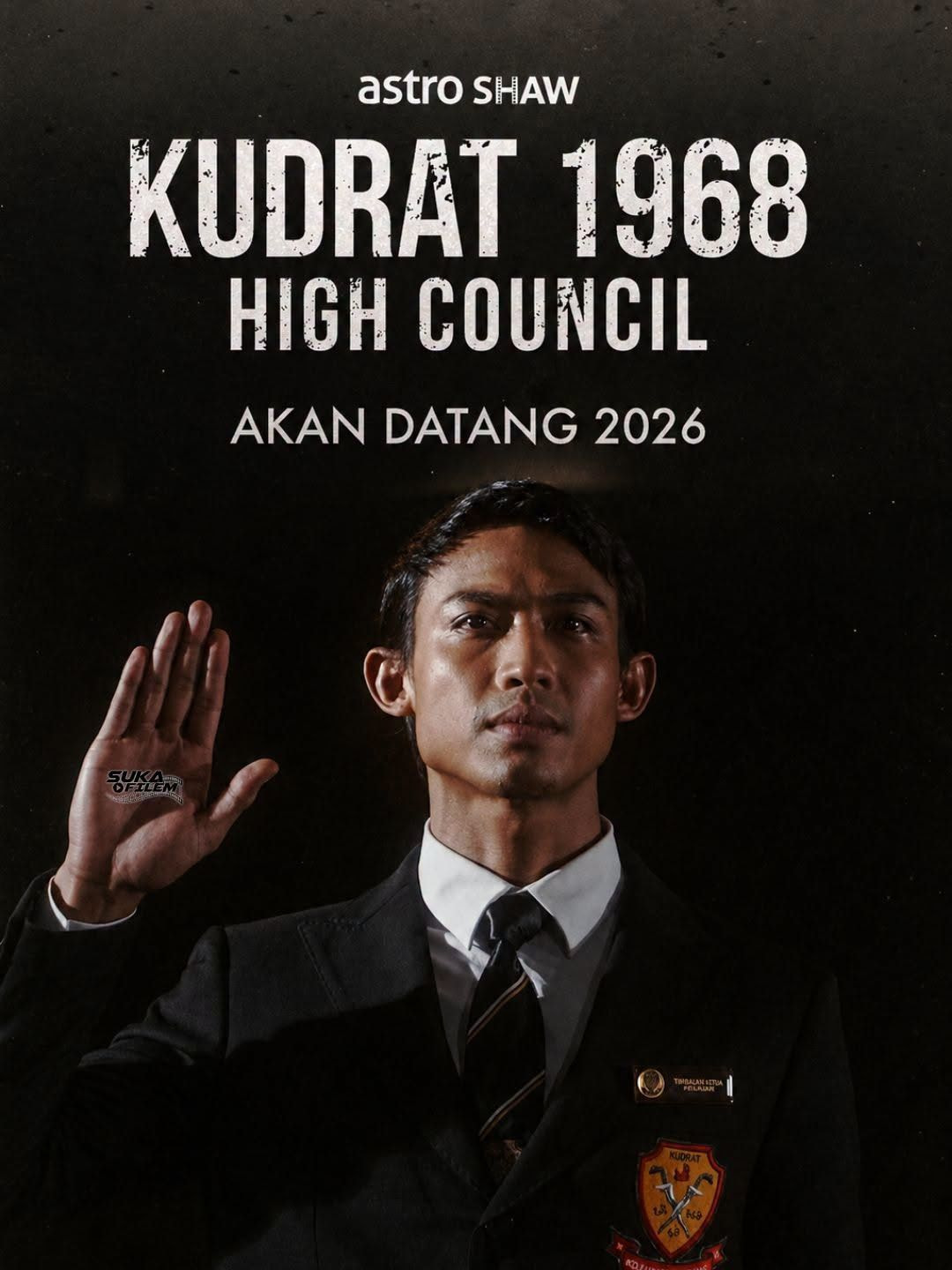
YM Tengku Uda bin Tengku Ali, the lead character in the film Kudrat 1968: High Council.
Meet Kuda, the Quiet Storm
At the centre stands YM Tengku Uda Tengku Ali, known as Kuda, played by Mierul Aiman. He was introduced to audiences as the head prefect, with a simple message: always respect the quiet ones. Kuda is a central figure. He belongs to the first generation behind the secret order, at the moment it became embedded in the institution. His royal title arrives with poise, and his silence carries authority.
Every glance, every pause and every calm sentence suggests a mind already thinking ten moves ahead. Audiences lean in whenever he enters, because a single decision from Kuda can redirect an entire batch. Fans have embraced his measured style, and social media is full of admirers who describe his stillness as the most powerful voice in the room. Mierul Aiman brings a composed elegance to the role, and it invites viewers to watch closely, because the smallest gesture can hold the biggest meaning.

Ungku Abbas: The Founder's Son
Then comes YM Ungku Abbas bin Ungku Deramat, played by Zarif Ghazzi. Abbas is the son of Ungku Deramat, the founder of Kolej KUDRAT, so the name above the gates is also his family name. Born into an aristocratic household, he enrols at the prestigious college for a heartwarming reason: to look after and support his younger brother, That single motive gives the series its warm, beating heart. A big brother steps into a world of high status purely out of love, and every viewer with a sibling feels it instantly.
His main conflict is a rich one. Abbas meets a disciplined social order, a wide distance between ranks, and the towering legacy of his father's name inside the very halls where he now studies. Every step he takes invites comparison with the founder, and every corridor carries echoes of a name he shares. The story asks whether a student in his position will defend the system that made him or reshape it entirely.
Zarif Ghazzi portrays this journey with sincerity, and the result is a character who earns admiration scene by scene. Watching Abbas choose, one loyal decision at a time, is the emotional centre of the series.
Penyata Deramat: Words That Outlive Their Authors
The Penyata Deramat is the phrase fans repeat in every discussion thread. Tied to the name of Kolej KUDRAT, it represents the moment a hierarchy stops being a schoolyard idea and becomes a written force. The series delivers a stunning lesson: a handful of sentences, written by teenagers, can guide the lives of people yet to be born.
Those words give the college its rhythm, from routines and ranks to ceremonies and traditions. Each generation recites them, and each recitation adds another layer of pride. Anyone who has stood in a school assembly and spoken a creed together will recognise the warmth of that shared voice. That is influence at its purest, and it explains why every scene involving the college's founding rules feels so charged. The Penyata Deramat shows how language builds communities, and how a few carefully chosen lines can shape a culture for decades.
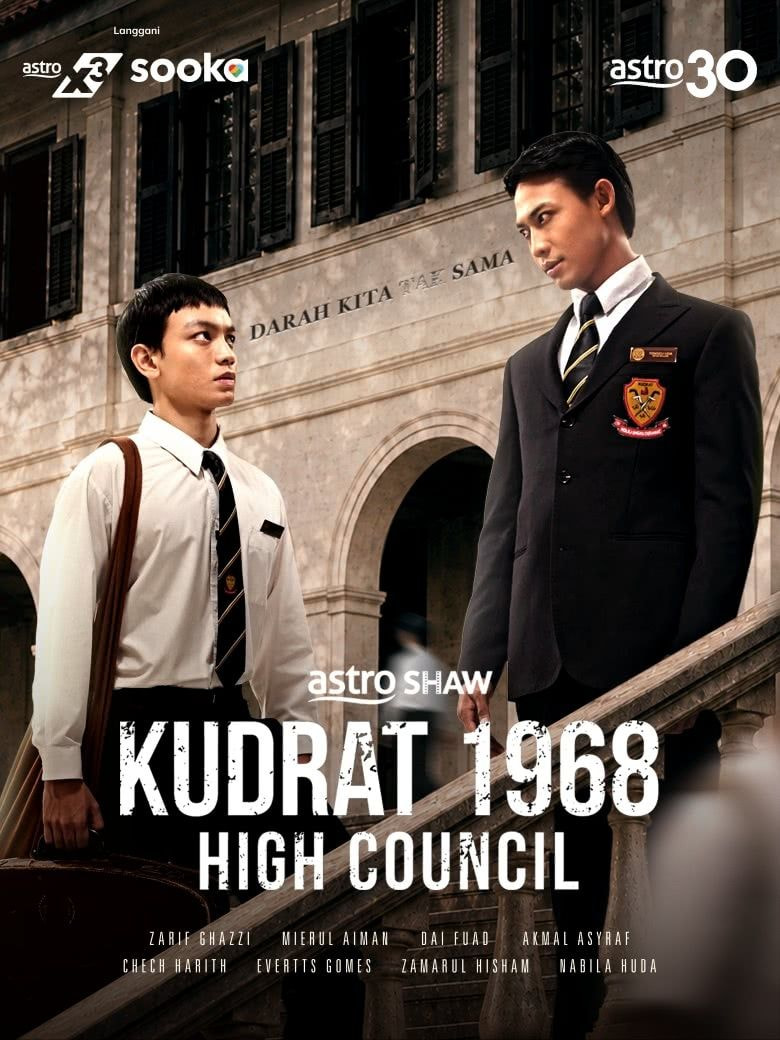
From left to right: Ungku Abbas and Tengku Uda.
Blood Meets Belief
The heart of the drama is the duel between aristocratic lineage and commoners. Place a name like Tengku Uda beside students who arrive with courage and ambition, and the collision writes itself. The production describes a story built on social class divides and identity formation, and it lands with astonishing force. Royal titles open doors in this world, yet the series asks a thrilling question: can talent, loyalty and nerve open even more?
The beauty of this duel lies in its balance. Both sides carry admirable qualities. Lineage brings heritage, grace and a deep sense of duty, while ambition brings energy, imagination and fresh ideas. Ungku Abbas stands right at the crossing, an aristocrat whose devotion to connects him with students from every background. That bridge gives the duel its heart and keeps viewers hoping for a brighter outcome for everyone. Audiences find themselves cheering for both worlds at once, and that generosity of spirit makes the drama so satisfying.
The Napoleon Moment
History lovers are calling it the Napoleon Bonaparte effect. In 1799, a Corsican outsider who had risen through the ranks of the French army seized power in the coup of 18 Brumaire and rewrote the order of an entire nation. Viewers sense the same electricity in Kudrat 1968: High Council the belief that a determined newcomer with a vision can turn an established hierarchy upside down with one well-timed move.
The parallel delights audiences because it celebrates vision, timing and courage. Every institution has a moment when a fresh voice stirs the room, and this series captures that moment with flair. Students of history enjoy spotting the echoes, from the rise through the ranks to the decisive turning point, while casual viewers simply savour the thrill of a bold idea arriving at exactly the right time. That coup d'etat energy is precisely why living rooms across the country lean forward together.

Astro Shaw head YM Raja Jastina Raja Arshad.
The Descendant Tradition
What makes the story unforgettable is the descendant tradition. Astro Shaw head YM Raja Jastina Raja Arshad describes the franchise as a legacy passed like a baton to the next generation. That baton moves on screen too: each generation inherits a name, a rulebook and a responsibility, and each one adds a personal signature before passing it forward.
Abbas himself is the tradition in human form, a descendant carrying a founder's name while writing a chapter of his own. His journey reminds us that heritage offers a foundation, and each new generation decides how high to build upon it. Fans have even speculated that Mierul Aiman's 1968 role could be an ancestor of his character in the original series, which turns every familiar face into a family secret and every episode into a treasure hunt. The idea has sparked delightful debates, and viewers happily revisit the earlier series to search for clues.
Why Everyone Keeps Watching
Timelines are full of theories. Fans are counting the days until the film reveals the story of three Kudrat students, a mystery the production has kept beautifully under wraps. Viewers trade clues, compare episodes and celebrate each new detail together. Few prequels manage to become a nationwide guessing game, yet this one does it with style.
The sense of shared discovery makes every screening feel like a community event. Friends gather to watch together, families discuss favourite moments over supper, and online fan pages overflow with artwork, edits and thoughtful analysis. Old fans guide newcomers through the universe with generosity, and newcomers bring fresh questions that keep the conversation lively. That warm, welcoming energy is a big part of why the series continues to lead the talk of the season.
The Verdict
Kudrat 1968: High Council succeeds because it asks questions every Malaysian understands: who inherits legacy, who earns it, and who writes the rules? It blends royal lineage, brotherly devotion, ambition, history and youth into a story that keeps the nation guessing and smiling. Each character adds a unique colour, from Kuda's aristocratic aura to Abbas's loyal heart, and together they paint a vivid portrait of a world in the making.
With the cinema chapter still ahead, the conversation is only getting louder, and the anticipation grows with every episode revisited. This is storytelling that celebrates heritage, honours family and inspires young people to think about the kind of legacy they wish to build.
So, are you a keeper of tradition, or the one who dares to shape it anew?