
03.09.2025

The aristocratic advantage: Why we should respect inherited excellence

GC EIC explores why aristocratic heritage deserves respect in modern society, examining noble education, noblesse oblige, and how traditional aristocratic values of duty, excellence, and leadership remain relevant today despite democratic misconceptions about privilege.
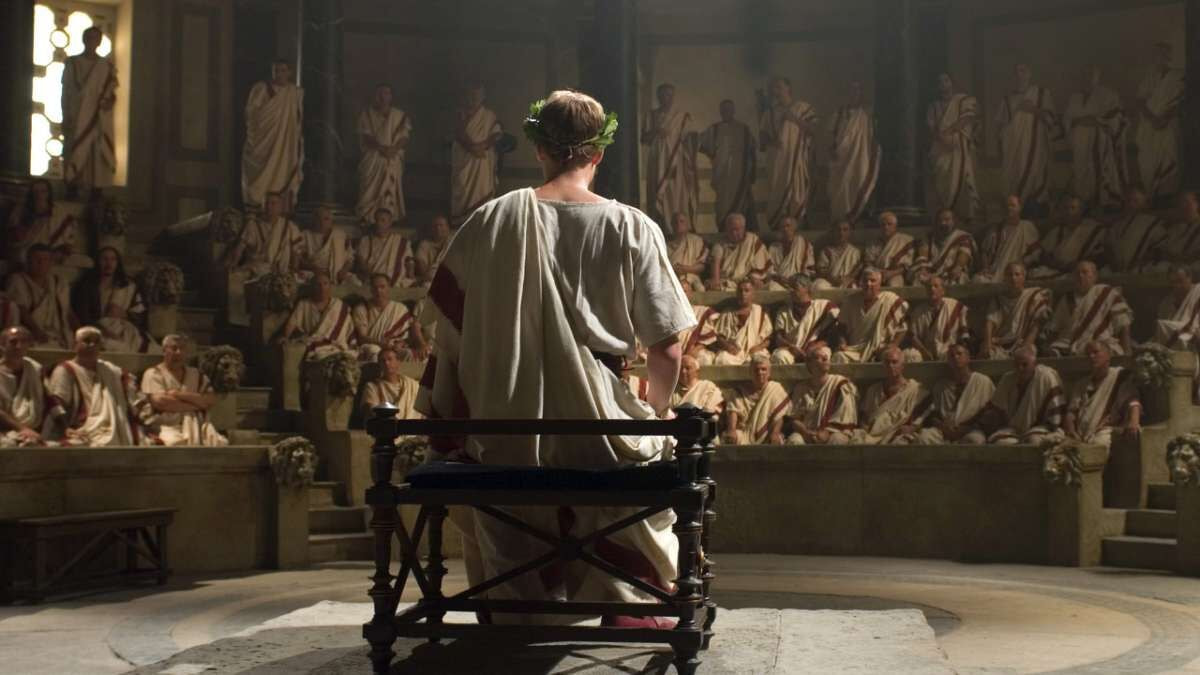
Caesar Augustus at the Roman Senate.

Photo credit: "Rome" (HBO)

Words: Raja Izz


There exists in contemporary society a peculiar misconception that those born to privilege are somehow less capable, less resilient, or less worthy of respect than their self-made counterparts.

This narrative, particularly prevalent in democratic societies, paints aristocrats as pampered, ineffectual beings who would crumble without their inherited advantages. Having been observed both European and Asian "rooms" of nobility, I find this characterization not merely inaccurate, but dangerously naive.

The truth is far more compelling than this comfortable fiction suggests.
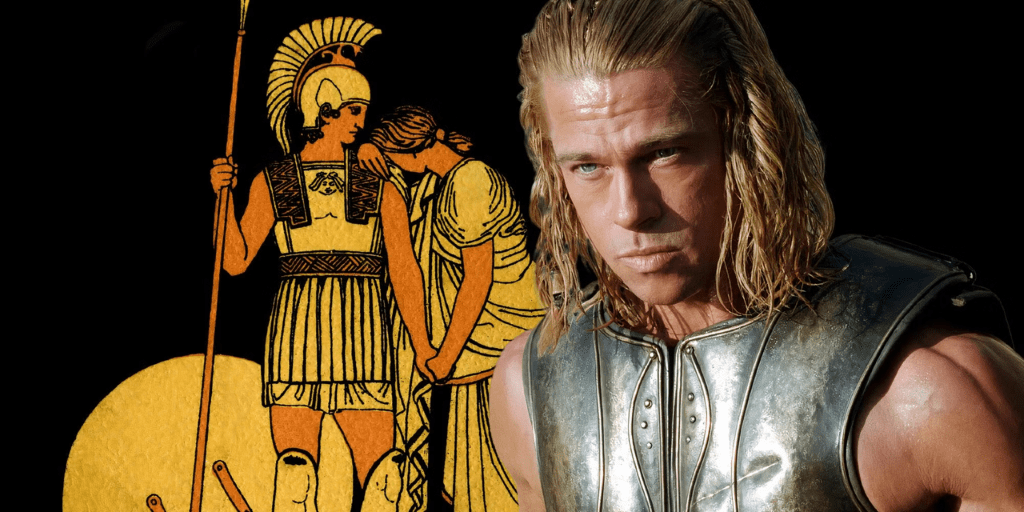
Brad Pitt as Achilles.

Photo credit: "Troy" (Warner Brothers)


The Aristocratic Advantage

Consider the pantheon of history's greatest leaders and heroes: Muhammad SAW, Caesar Augustus, Fatih Mehmet, Achilles, even the fictional yet enduring figure of Tarzan - the Earl of Greystoke. These were not accidental heroes who stumbled upon greatness despite their noble birth, but rather individuals whose aristocratic upbringing provided the very foundation for their extraordinary achievements.

The American dream of the self-made individual, while admirable, has created a blind spot in understanding what aristocratic training actually entails. Abraham Lincoln's rise from humble beginnings resonates deeply with democratic ideals, yet it represents the exception rather than the rule of effective leadership throughout history. The rejection of monarchy in favor of merit-based advancement, while politically sound, has led to a fundamental misunderstanding of how nobility traditionally functioned.

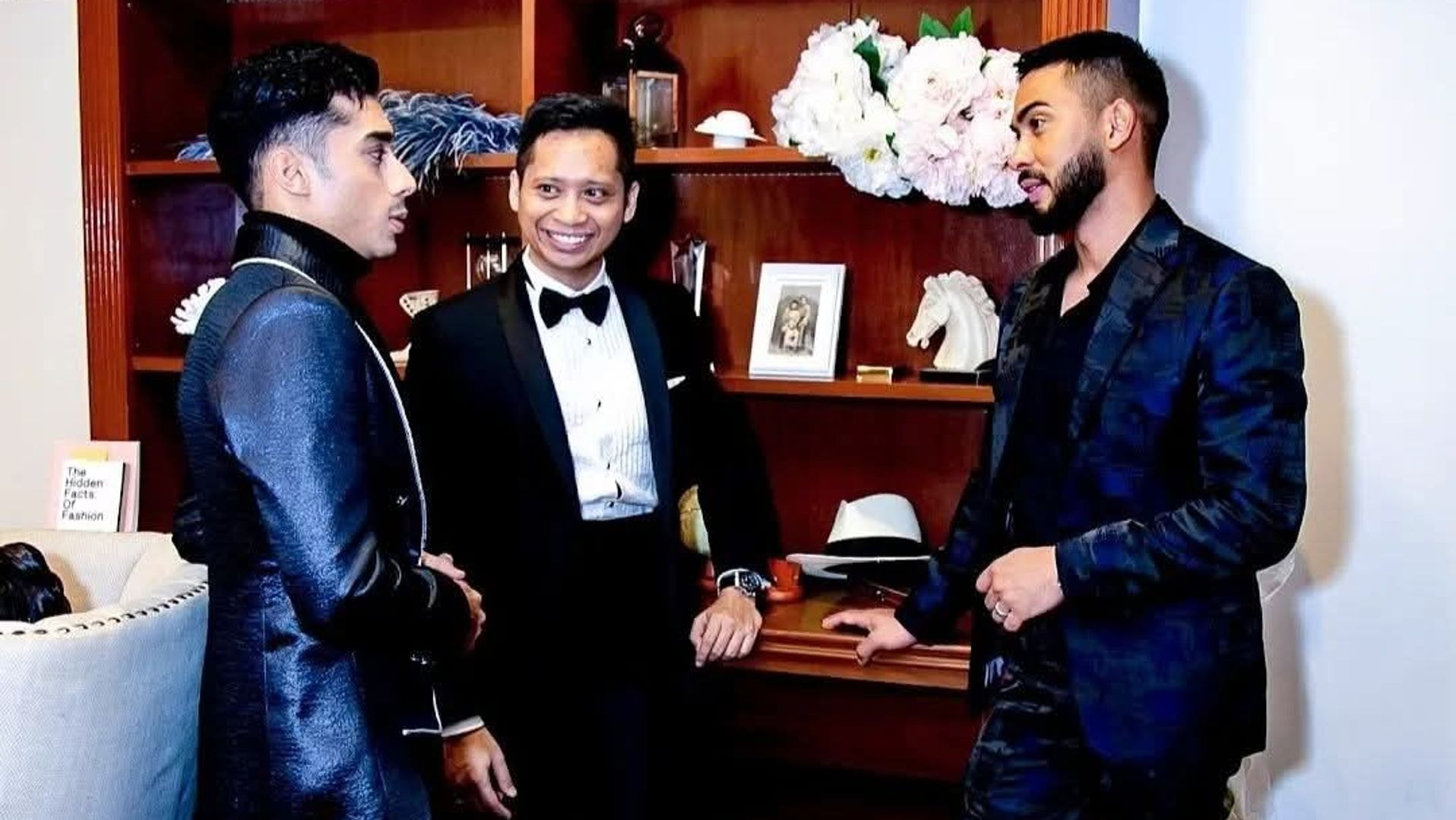
Prince Mateen of Brunei Polo duel with Shaik Reismann, Captain of Malaysian Polo at the 2017 SEA Games, Putrajaya.


The Making of Excellence: A Noble Education

Having witnessed firsthand the rigorous training that accompanies noble birth in Malay houses, I can attest that privilege comes with extraordinary demands. The medieval tradition of pages and squires may seem antiquated, yet its principles persist in refined forms across aristocratic families today.

From earliest childhood, noble children are immersed in disciplines that would challenge most adults. At seven, when common children are learning basic literacy, noble scions are already mastering multiple languages, studying classical texts, and beginning their physical conditioning. Their education encompasses not merely academic subjects, but the art of leadership, the intricacies of diplomacy, and the weight of responsibility that accompanies power.

The mythical "pampered princes" or "spoiled brats" represents the failure of noble training, not its natural outcome. True aristocratic education demands excellence across multiple domains simultaneously. A properly raised noble must be equally comfortable commanding a boardroom, navigating complex social hierarchies, and yes - defending their principles when circumstances require it.

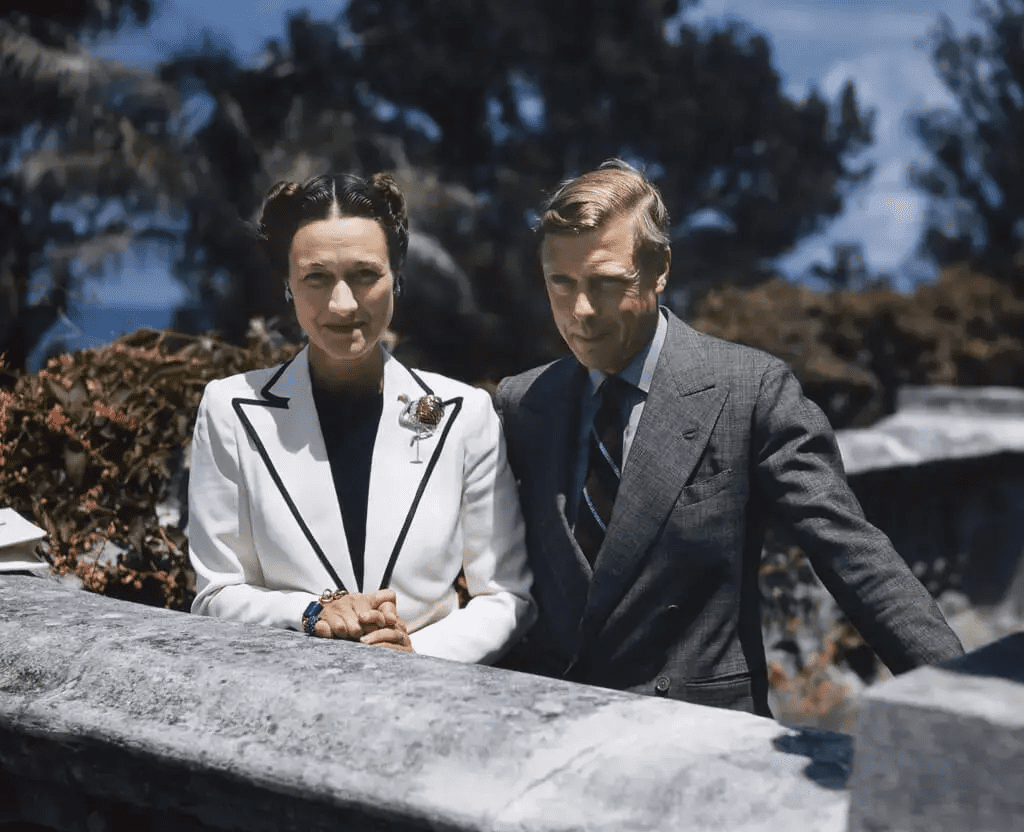
The Duchess and Duke of Windsor.

Photo credit: Getty Images


Resources and Networks: The Tools of Excellence

Critics often dismiss noble achievements as mere products of inherited wealth and connections. This perspective reveals a fundamental misunderstanding of how advantage is leveraged. Certainly, nobility provides access to superior resources, but resources without discipline produce decadence, not excellence.

Consider the duke's daughter who chooses religious service. While a commoner might train under a local priest, she studies under bishops and theological scholars. The count's son interested in scholarly pursuits doesn't merely attend university - he learns from the foremost intellectuals of his generation. This isn't unfair advantage; it's the intelligent application of available resources toward meaningful ends.

More importantly, these connections come with expectations. The noble child who squanders their opportunities faces not merely personal failure, but the disappointment of an entire lineage. This pressure, while daunting, produces individuals accustomed to high standards and substantial responsibility.

Tunku Zain Al-‘Abidin is Founding President of the Institute for Democracy and Economic Affairs; a Trustee of Yayasan Chow Kit, Yayasan Munarah, the Jeffrey Cheah Foundation and the Genovasi Foundation; an Independent Non-Executive Director of Allianz Malaysia Berhad and Kian Joo Can Factory Berhad; an advisor or patron to numerous educational and musical organisations; a committee member of several societies; a columnist in three newspapers and a Royal Fellow of the National University of Malaysia.

Photo credit: IDEAS Malaysia.


The Noble Obligation: Duty Before Comfort

Perhaps the greatest misunderstanding about nobility concerns the relationship between privilege and responsibility. Modern democratic societies have largely abandoned the concept of noblesse oblige - the idea that privilege inherently creates obligation to serve society's greater good.

Throughout history, it was precisely the nobility who were expected to face society's greatest challenges. When bandits threatened the countryside, nobles led the response. When disasters struck, noble houses opened their resources to provide relief. When external threats emerged, it was noble blood that was shed first and most freely in defense of the realm.

This tradition continues in subtle forms today. Observe how many charitable organizations, cultural institutions, and public service initiatives are led by individuals from aristocratic backgrounds. They are not compelled by law or economic necessity to serve - they do so because their upbringing has instilled the understanding that privilege without service is mere parasitism.

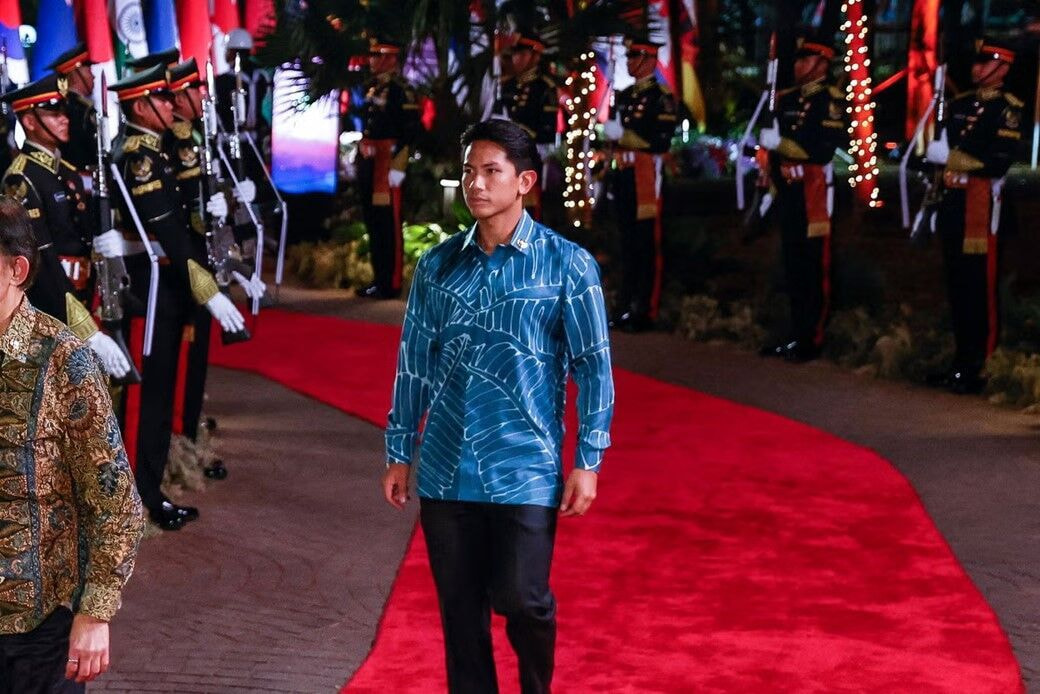
Prince Abdul Mateen.

Photo credit: Getty Images


Excellence in the Modern Era

Today's world may seem to have moved beyond the need for traditional nobility, yet the principles underlying aristocratic excellence remain as relevant as ever. In an era of social media influencers and crypto millionaires, the contrast between inherited wisdom and sudden fortune becomes even more pronounced.

The noble tradition offers something democratic meritocracy cannot: the long view. While entrepreneurs chase quarterly profits and politicians scramble for the next election cycle, truly noble thinking encompasses generations. This perspective, cultivated through centuries of family continuity, provides stability and wisdom that pure meritocracy often lacks.

Countess Olympia von und zu Arco-Zinneberg and Jean-Christophe, Prince Napoléon.

Photo credit: Getty Images


A Call for Recognition

This is not an argument for returning to feudalism or abandoning democratic principles. Rather, it is a recognition that excellence, regardless of its source, deserves respect. The young nobleman who has trained since childhood in leadership, languages, and martial arts is not less worthy than the self-made businessman - he is differently prepared for different challenges.

In our rush to celebrate the underdog, we must not dismiss those whose advantages were paired with equally substantial expectations. True nobility, whether inherited or earned, lies not in the accident of birth but in the character formed through rigorous preparation and the courage to accept responsibility when lesser individuals would flee.

The next time you encounter true nobility - not mere wealth, but the refined excellence that comes from generations of purposeful cultivation - perhaps you will see not privilege to be resented, but excellence to be respected.

After all, in a world increasingly short on both leadership and grace, we can ill afford to dismiss either simply because of their origins.

About the Author

Raja Izz

Raja Izz (MBA) is the co-founder and Editor-in-Chief of Gentleman's Code (GC), a publication that champions elegance and refined living.

Since its inception in 2018, under Raja Izz’s leadership, GC has reached remarkable milestones, including being recognized as one of the Top 20 Digital Men’s Magazines by Feedspot in 2025 and ranking #1 for “Elegant Man” by Google in the same year.

With his signature blend of gravitas and grace, Raja Izz does not seek the spotlight. Instead, he builds the platform—for others to rise, for values to return, and for men to remember who they once aspired to be.

Related posts